Coaching business
How to Start an Online Coaching Business in 2026
Starting an online coaching business takes more than expertise; it takes the right system, strategy, platform & community. This guide walks you through every step to launch, manage clients & scale with confidence in 2026.
Contents
Starting an online coaching business in 2025 is more achievable than ever, not because the industry has become less competitive, but because the path to becoming a successful online coach is now clearer, more structured, and backed by stronger demand that’s growing every day. Clients across every niche are actively seeking personalized guidance, and with simpler tools, streamlined platforms, and clearer buyer behavior, you can start an online coaching business without big audiences, complicated funnels, or expensive tech stacks.
According to the latest ICF Global Coaching Study, the coaching industry continues to grow rapidly across wellness, fitness, business, mindset, relationships, spirituality, and personal development, making 2025 one of the strongest windows in history for new coaches to enter the market.
Whether you're a wellness coach, fitness trainer, mindset mentor, business strategist, healer, or multi-passionate creator, this guide will walk you step-by-step through how to start an online coaching business from scratch. You’ll learn how to choose your niche, define your coaching transformation, package your first offer, price your program confidently, get clients consistently, and build a sustainable coaching ecosystem around your work.
This isn’t a quick checklist or surface-level overview. It’s a complete, up-to-date 2025 blueprint for starting and growing an online coaching business that lasts. By the end, you’ll know exactly what to do, why it matters, and how to stay consistent without getting overwhelmed.
Now let’s start by understanding why 2025 is the best time ever to launch your coaching business.
TL;DR
Who this is for: New or early-stage coaches who want to start an online coaching business in 2025 without guesswork or 7+ tools.
What you’ll learn: How to choose a niche, define your transformation, design your first offer, price it confidently, set up simple systems, get your first 5-10 clients, and build a coaching business that actually lasts.
How to use this guide: Read once top-to-bottom, then come back to the 10-step section as a working checklist while you launch.
Time to implement: Expect 4-12 weeks to go from idea → structured, client-ready coaching business if you follow the steps.
Why 2025 Is the Best Year to Start Online Coaching

If you’ve been thinking about becoming a coach or starting an online coaching business, there has never been a better moment than 2025. The coaching industry isn’t just growing, it’s evolving fast. More people are seeking personal guidance, structured support, and accountability than ever before, and they’re turning to online coaches across every niche imaginable: wellness, fitness, business, career, mindfulness, relationships, leadership, spirituality, and many more.
But here’s the truth most “start a coaching business” guides won’t tell you:
The opportunity is huge, but so is the noise.
New coaches enter the market every day. Social feeds are crowded with advice. And the rise of AI has made it easier than ever to produce content, but harder than ever to stand out.
So why is 2025 still the perfect time to start?
Because despite the noise, people don’t want more information, they want transformation. And transformation requires exactly what you already have:
Real expertise
Lived experience
A point of view
The ability to help someone get from point A → B faster than they can on their own
And that’s why online coaching continues to boom: technology may change, but human guidance never goes out of style.
But here’s the catch…
Most new coaches don’t fail because they’re bad at coaching.
They fail because they:
Pick a vague niche
Don’t have a clear offer
Undercharge or vice versa or guess their pricing
Try to use 10-12 different tools
Don’t know how to get their first few clients
Burn out trying to do everything manually
Skip the structure and jump straight into “posting content”
This guide solves all of those problems.
What You’ll Get From This Guide:
By the end, you’ll have a clear, step-by-step roadmap for starting (and actually growing) your online coaching business in 2025: (and even in the future)
How to choose the right niche
How to define the transformation you offer
How to create and price your coaching program
How to get your first few clients even without a big audience
How to build simple systems that prevent the “10 tools and chaos” trap
How to evolve your coaching into a community and a stable business
This isn’t one of those surface-level “5 steps to success” posts. This is a complete operating manual, rooted in real-world experience, 2025 market behaviour, and what actually works for new coaches today. You don’t need certifications. You don’t need expensive tools. You don’t need a huge following.
You just need clarity, structure, and the right roadmap.
And that’s exactly where we’ll begin.
What an Online Coaching Business Really Means

Before you choose a niche, set your pricing, or build your offer, you need absolute clarity on what a coaching business actually is. Because most beginners start on the wrong foot, not due to lack of passion, but due to lack of structure.
Let’s fix that.
2.1 What an Online Coaching Business Really Means
At its core, an online coaching business is built on three simple pillars:
Pillar 1: A Transformation You Help Someone Achieve
People don’t pay coaches for information. They pay for change.
Your coaching business exists because someone wants to:
Lose weight
Build confidence
Heal after heartbreak
Start a business
Improve productivity
Learn a skill
Get fit
Navigate a life transition
Build better habits
Your job as a coach isn’t to “teach everything you know.” Your job is to help someone go from where they are → where they want to be in the simplest, clearest, fastest way possible.
If you have this, you’re already ahead of 80% of beginners.
Pillar 2: A Delivery System
This is how you help clients achieve the transformation. Your delivery system includes:
Your program format (1:1, group, hybrid)
Your session structure
Your frameworks and tools
How clients check in
How you track progress
How you communicate with them
Where your content lives
How you keep them engaged
Most beginners skip this completely and end up doing “unstructured calls” that feel like casual conversations, not a real coaching program. In 2025, clients expect structure. They want clarity, steps, and visible results. A solid delivery system instantly makes you appear more professional and trustworthy.
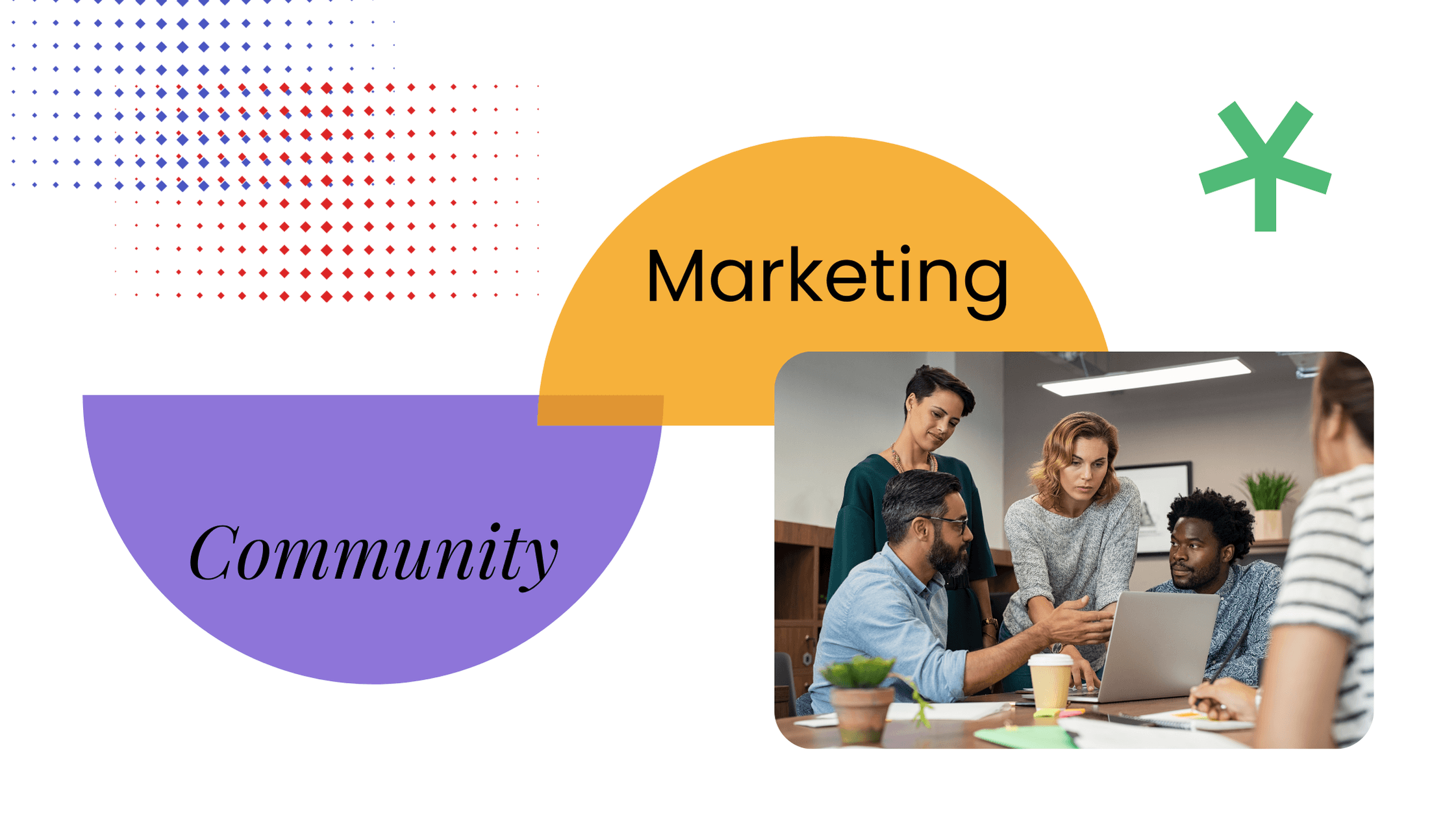
Pillar 3: A Growth Engine (Your Community + Marketing System)
A coaching business cannot grow sustainably through:
Random posting
Occasional reels
Trying to “go viral”
Cold DMs without strategy
Simply copying what other coaches do
A real business grows through a repeatable growth engine, usually powered by:
Your audience (even if small)
Your content system
Your community or hub
Referrals from happy clients
Evergreen lead sources
Simple funnels or workflows
This is where most coaches struggle. They don’t know how to grow in a way that doesn’t burn them out. But when your business has a growth engine, even a simple one, clients flow in consistently.
2.2 What an Online Coaching Business Is Not
Let’s remove some common misconceptions that stop beginners from starting.
It’s NOT just “doing Zoom calls.”
Coaching is transformation, not time spent on video.
It’s NOT posting motivational content every day.
Motivation doesn’t build a business. Systems, clarity, and value do.
It’s NOT about being the most qualified or certified.
Clients hire the coach who:
understands them
gives clarity
provides a path
creates results
Not the one with the longest bio or long list of certificates.

It’s NOT about having a huge audience.
Most coaches get their first 5-20 clients with:
Less than 100 followers
zero fancy websites
zero content funnels
Growth happens as you get results, not before.
It’s NOT about using 10 tools or buying expensive software.
Many new coaches think they need:
a CRM
a course platform
a discussion space
Zoom + Calendly + Notion + Stripe + WhatsApp
email software
landing page tools
funnels
dashboards
automation tools
This usually leads to tool chaos, not business clarity. You don’t need more tools. You need a simple, organized system.
2.3 The Simple Formula for a Real Coaching Business
Here’s the cleanest definition you’ll ever find:
A coaching business is a structured path that helps people achieve a transformation, delivered through a system, supported by a community, and fueled by consistent growth.
Once you see coaching through this lens, everything becomes easier:
Your niche becomes clearer
Offer becomes stronger
Systems become simpler
Your confidence increases
Marketing becomes more intentional
Your ability to get clients grows dramatically
This clarity sets the stage for every next step.
Pro tips: A sustainable coaching business is built on clarity, structure, and community. Coaches who succeed long-term don’t rely on complicated funnels or inspiration alone, they rely on simple systems, consistent delivery, and a space where clients stay accountable and connected. Tools matter, but structure comes first.
Skills, Mindset & Reality of Becoming a Coach
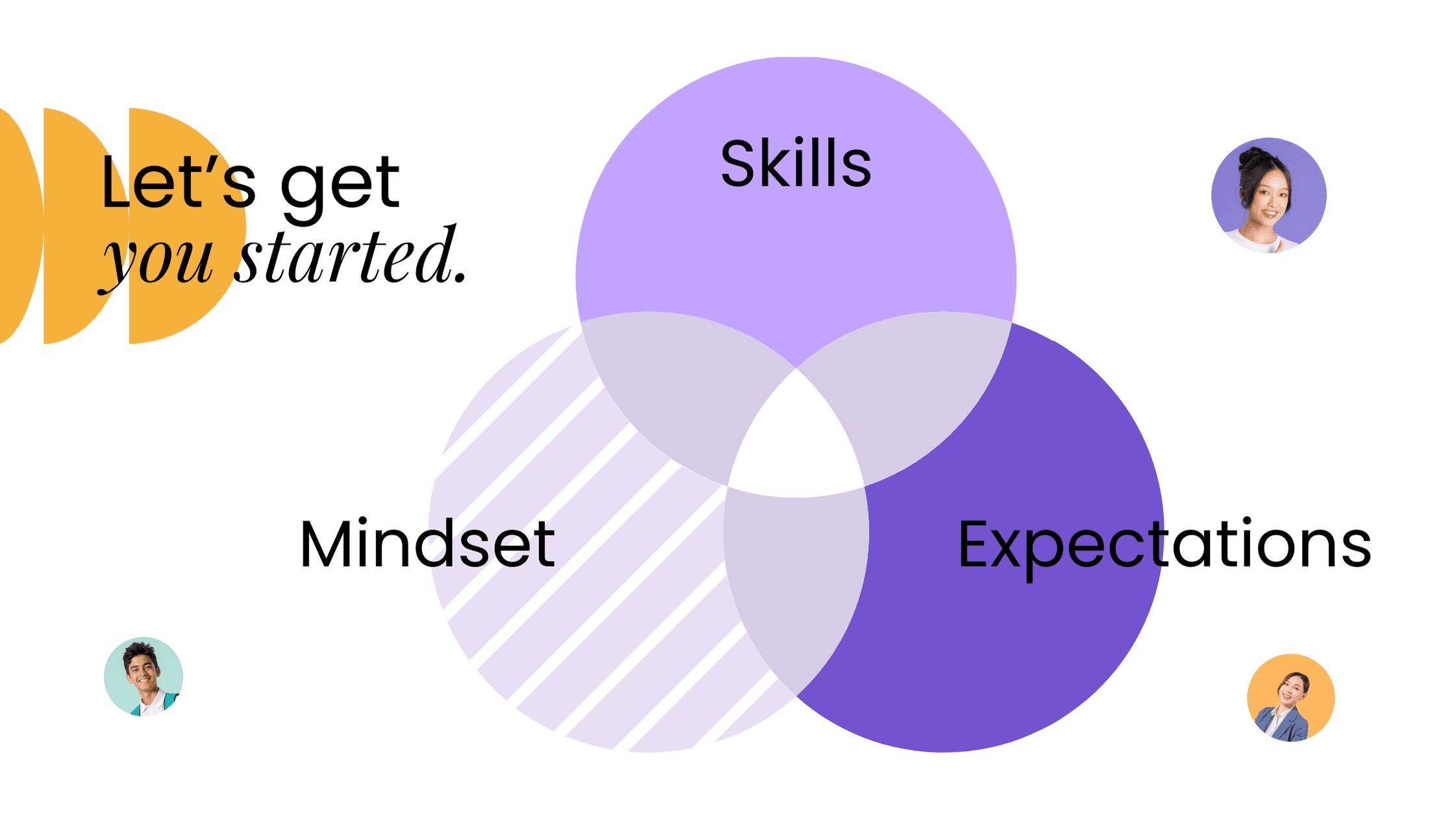
Before you go deeper into choosing a niche or creating an offer, it’s important to pause and understand what it really means to start a coaching business. Most beginners worry about the wrong things - certifications, fancy tools, or whether they’re “qualified enough.” But the truth is, coaching doesn’t begin with degrees or perfection. It begins with your ability to guide someone from where they are now to where they want to be.
In fact, some of the most successful coaches today started not because they were perfect experts, but because they had lived experiences, clarity, and the willingness to help people improve their lives with structure.
So let’s break down what “coach readiness” actually looks like in 2025.
3.1 You Don’t Need Certifications - You Need a Real Transformation You Can Deliver
One of the biggest myths around coaching is that you need piles of certifications before you’re allowed to help someone. Certifications can be helpful, but they are not the deciding factor for clients.
What people truly pay for is a clear path to a transformation and the trust that you can guide them through that path. If you’ve overcome a challenge, built a skill, developed a system, or mastered something others struggle with, you already have something valuable to teach.
When a client chooses a coach, they aren’t thinking, “Do they have 5 degrees?”
They’re thinking, “Do I believe this person can help me get results?”
If you can create progress for someone, you’re qualified.
3.2 The Skills You Actually Need As a Coach
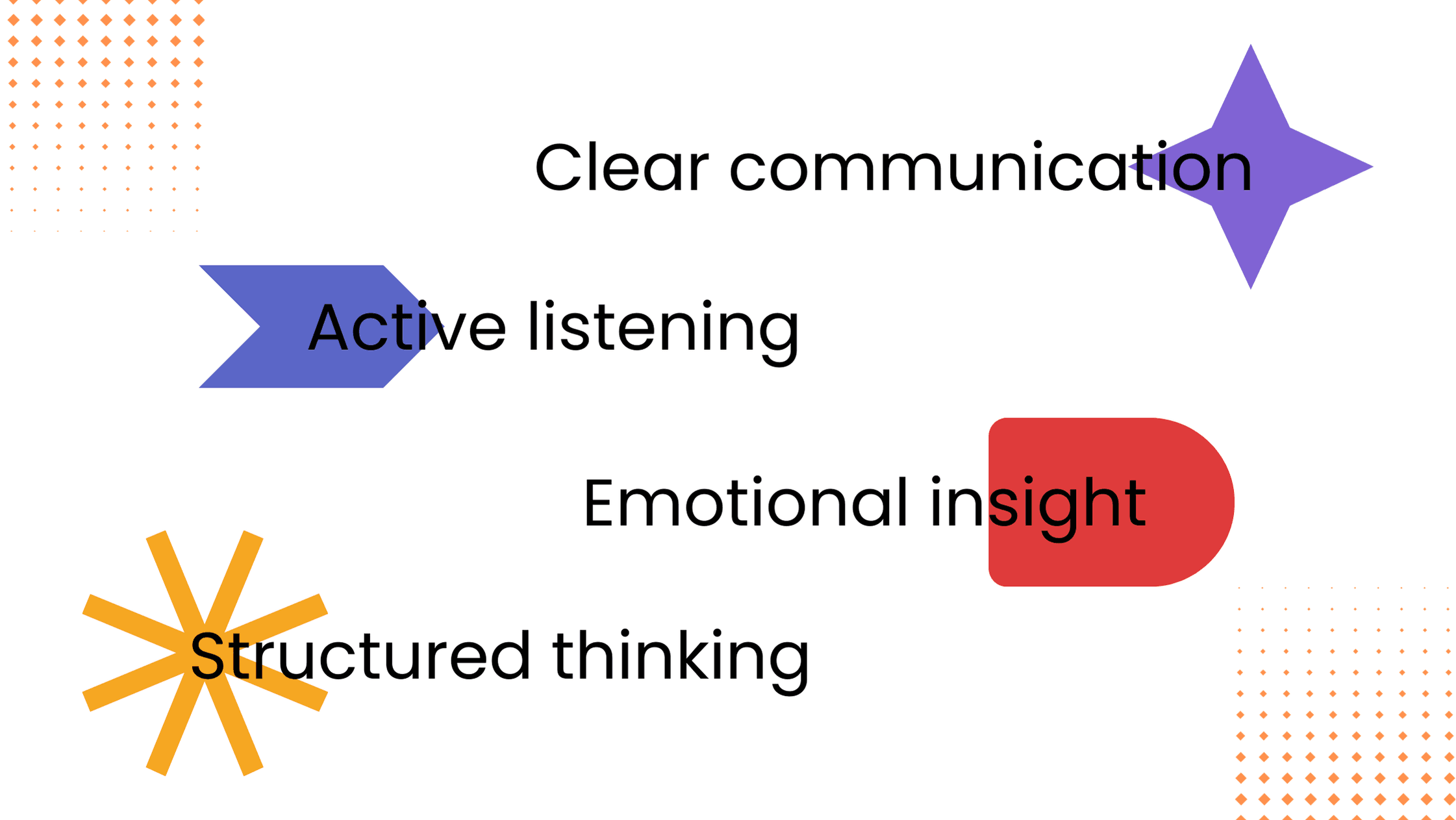
Coaching is built on human skills, not just academic ones. Most people already have many of these skills, they just don’t realize it yet.
Active listening is one of the most powerful coaching skills. When a client feels truly heard, they naturally open up, trust you more, and take your guidance seriously.
Structured thinking is another. You don’t need to be a genius, just someone who can break big goals into smaller, achievable steps. If you’ve ever taught someone something, mentored a friend, or helped someone through a tough situation, you already know how to do this.
Empathy matters too, but not the type where you absorb people’s problems. It’s the kind where you understand what they’re going through while holding space for growth.
Clear communication ties it all together. Coaching is often about asking better questions, simplifying complex ideas, and guiding people toward clarity.
These are skills you can improve quickly just by working with real clients. They don’t require certifications, they require intention and effort.
3.3 The Mindset That Separates Successful Coaches From Struggling Coaches
Every coach has insecurities. Every coach wonders if they’re good enough. The difference between coaches who grow and coaches who quit early is mindset, not talent.
Successful coaches understand that they don’t need to know everything, they only need to know enough to help someone move forward. They understand that coaching is not about perfection; it’s about leadership, clarity, and creating change step by step.
They also treat coaching as a business, not just a passion. That means building systems, improving their offers, learning how to attract clients, and staying consistent even when things feel slow.
And finally, great coaches understand that growth compounds. You don’t need thousands of followers. You don’t need to “go viral.” You just need your first few clients and the confidence snowballs from there.
3.4 Expectations That Will Make Your Coaching Journey More Sustainable
Let’s make your path easier by setting realistic expectations from Day 1.
You won’t have total clarity at the start. Most coaches discover their best niche and offer after working with a few clients, not before.
Your first coaching program will not be your best and that’s normal. Every top coach evolves their structure over time. Iteration is part of the process.
Confidence won’t magically appear before your first client. Confidence is built through action, through helping real people, through seeing results, one client at a time.
And yes, the early days may feel messy. You might use a few scattered tools, jump between apps, or feel disorganized. But every coach eventually outgrows that phase as they build proper systems.
When you accept these realities, the pressure drops and progress becomes enjoyable.
3.5 The “Coach Readiness Checklist” (If You Say Yes to 5+, You’re Ready)
You are ready to start a coaching business if…
You have real experience others find valuable
You genuinely want to help people grow
You can communicate clearly
You’ve overcome challenges others still face
You can break ideas into simple steps
You’re willing to support someone consistently
You can commit to learning and improving
You’re okay with starting imperfectly
You care more about helping people than “being impressive”
3.6 The Bottom Line: You’re More Ready Than You Think
People don’t hire perfect coaches. They hire reliable ones. They hire coaches with empathy, structure, and clarity. They hire coaches who can guide them, not superheroes, not therapists, not gurus.
You don’t become a coach by waiting until you feel 100% confident. You become a coach by coaching.
If you have the readiness, the willingness, and the intention to help someone grow, then you are already closer to starting than most people who keep waiting for permission.
Now that your foundation is set, let’s move into one of the most important decisions you’ll make as a new coach: choosing your niche.
Profitable Online Coaching Niches in 2025 for You
Choosing your niche is one of the most important decisions you’ll make as a new coach. Not because you need to “limit yourself,” but because clarity helps people recognize that you’re the right coach for them. In 2025, attention is fragmented, competition is higher, and content is everywhere. The coaches who win are the ones who are specific, not vague.
You don’t need your niche to be perfect from the first day. You just need to start with a clear direction, one that you can refine as you work with more clients.
Let’s break this down in a way that feels simple, clear, and actionable.
4.1 Why Selecting a Niche Matters (Especially in 2025 and Beyond)
A niche isn’t a box, it’s a bridge. It helps the right people find you faster, trust you quicker, and choose you over generalist coaches. When you pick a niche, you’re not excluding opportunities, you’re building a magnet.
In 2025, people don’t search for “a coach.” They search for:
weight-loss coach for busy moms
productivity coach for remote workers
confidence coach for young professionals
business coach for new freelancers
mindfulness coach for burnout recovery
Specificity builds trust.
When someone feels like you understand their world, their challenges, and their desires better than anyone else, hiring you feels natural.
4.2 The Niches That Are Growing Fast in 2025
Coaching niches are more diverse than ever before. Here are the categories experiencing the strongest demand and growth:
1. Health & Wellness Coaching
Always a top category. Sub-niches include:
Weight loss coaching
Holistic wellness
Yoga, pilates, and mindfulness training
Hormone + menstrual health coaching
Gut health coaching
Sleep coaching
Emotional support
Eating guidance
People are investing heavily in well-being.
2. Fitness & Body Transformation Coaching

The demand is stronger than ever:
Home workout coaching
Postpartum fitness
Functional fitness
Strength training
Athletic performance coaching
Fat-loss programs for specific demographics
Fitness coaching is one of the most profitable beginner-friendly niches.
3. Business & Career Coaching
Huge in 2025 due to remote work and entrepreneurship:
Career transition coaching
LinkedIn/personal branding coaching
Freelance/business setup coaching
Productivity coaching
Leadership coaching
Interview and resume coaching
These niches are great if you have strong professional experience.
4. Mindset, Confidence & Life Coaching
A massive evergreen category:
Confidence building
Stress management
Overcoming self-sabotage
Relationship mindset
Life transitions
Goal-setting frameworks
Demand always stays high because mindset affects every area of life.
5. Relationship & Dating Coaching
One of the fastest-growing niches globally:
Relationship coaching for couples
Breakup recovery
Dating and attraction coaching
Conscious relationship coaching
Marriage strengthening
People value emotional support more than ever.

6. Spirituality & Inner Growth Coaching
A rising niche, especially in 2025:
Meditation coaching
Energy healing
Law of attraction coaching
Tarot + astrology guidance
Chakra + breathwork guidance
Audiences here are highly engaged and often community-driven.
7. Money, Finance & Abundance Coaching
Great for those with finance/business experience:
Money mindset
Financial literacy
Wealth building
Budget coaching
Debt reduction coaching
Investment basics
This niche attracts clients willing to pay premium rates.
These rising categories also match real search behaviour. A quick look at Google Trends shows a consistent year-on-year increase in searches for coaching terms, especially in wellness, fitness, business coaching, and mindset transformation.
4.3 Micro-Niching: The Secret to Standing Out Quickly
Your niche is not “fitness coach.” It could be:
“Fitness coach for postpartum moms”
“Muscle-building coach for skinny beginners”
“Strength training coach for busy professionals”
Your niche is not “life coach.” It could be:
“Confidence coach for introverted young women”
“Mindset coach for people recovering from burnout”
Your niche is not “business coach.” It could be:
“Side-hustle coach for full-time employees”
“Branding coach for new freelancers”
Your niche is not “wellness coach.” It could be:
“Gut health coach for bloating and digestion issues”
“Stress management coach for corporate women”
The more specific you are, the easier it becomes to get clients.
People invest in solutions that feel tailored to them.
4.4 The 3-Part Niche Clarity Test (Use This Today)
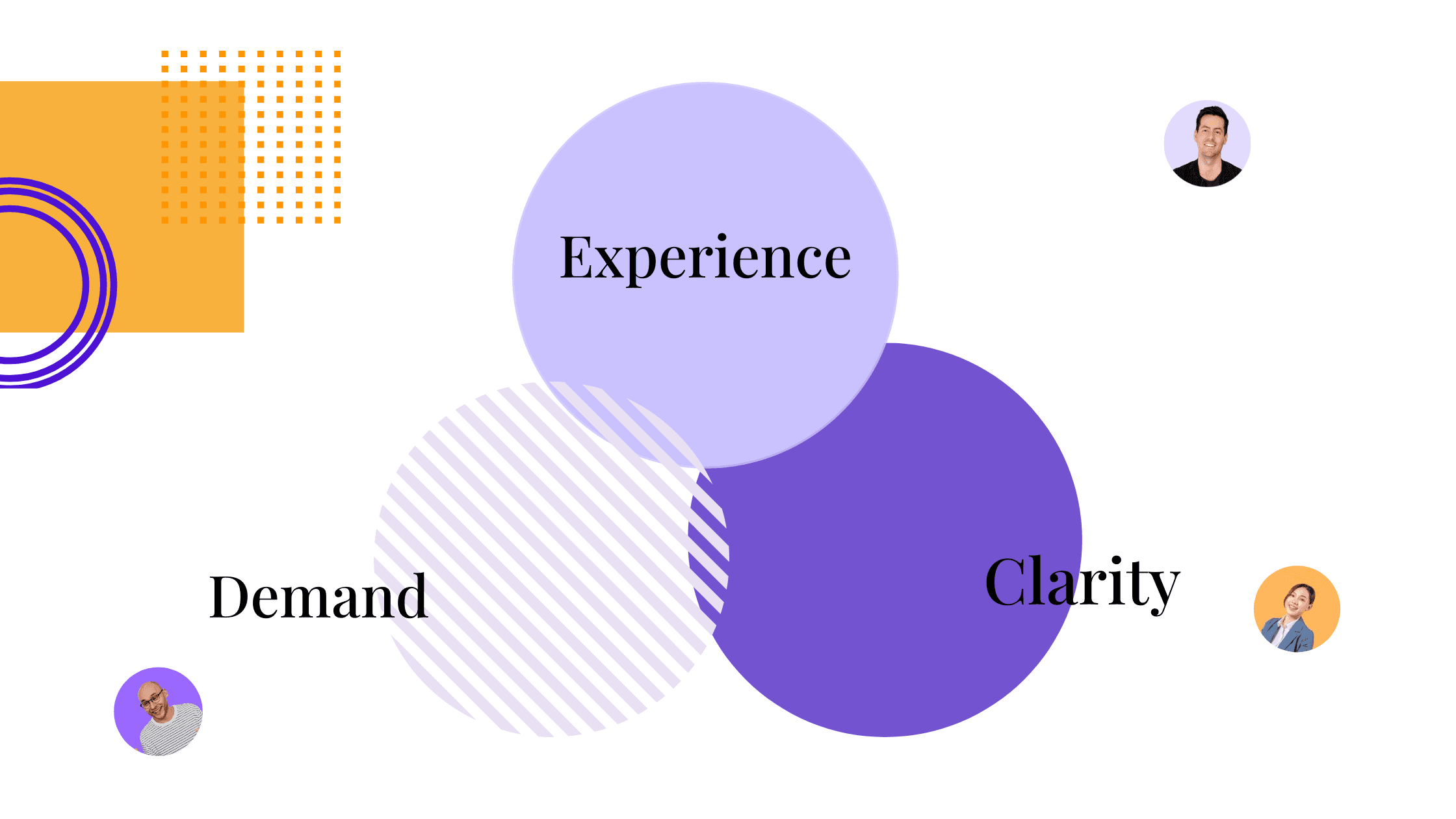
Here’s a simple framework you can use to pick your niche quickly and confidently.
1. Do I have experience in this area?
Lived experience counts more than theory.
2. Is there demand?
Are people searching for it, asking questions about it, buying solutions?
3. Can I explain the transformation clearly?
If you can say… “I help [WHO] achieve [RESULT] through [METHOD],”…you have a niche.
Examples:
“I help new moms rebuild confidence and emotional balance through mindful coaching.”
“I help new freelancers land their first 5 clients through positioning and outreach.”
“I help people recovering from burnout and regain clarity and energy through structured habits.”
If you can explain it clearly, you can sell it confidently.
4.5 How to Choose a Niche If You Have Too Many Ideas
This is extremely common for multi-passionate and multi-talented people.
Here’s the simplest method:
Pick the niche where you’ve created real and the most results for yourself or others
Choose a niche where people already spend money
Select the niche where you enjoy deep conversations
Start with 1 clear niche for 90 days
Refine based on real client feedback
Your niche is a starting point, not a lifelong commitment.
Clarity comes from doing, not thinking.
4.6 The Bottom Line on Niching: Start Specific, Grow Later
Most coaches fear that choosing a niche will limit them, but the opposite is true. Niching gives you a solid foundation, makes your messaging sharper, and helps people trust you faster.
You can always expand later. But in the beginning, be known for one clear transformation.
Once clients see you as the go-to expert for that result, everything becomes easier: Your content hits harder, your engagement increases, you attract the right clients, and your business grows with far less effort.
If you want a deeper breakdown of how to actually grow and engage an audience once you’ve chosen your niche, here’s a full guide: How to Build an Engaged Audience as a Coach (From Zero to Growth).
10-Step Blueprint to Start an Online Coaching Business
Starting an online coaching business in 2025 demands a clear, repeatable system for attracting clients, delivering results, and scaling sustainably. This 10-step blueprint breaks down exactly how to start an online coaching business from scratch, covering niche selection, offer design, pricing, marketing channels, delivery systems, and long-term growth. Whether you’re a first-time coach or transitioning from 1:1 services to scalable programs, these steps are designed to help you build a profitable, location-independent coaching business aligned with how clients discover, evaluate, and buy coaching programs in 2025.
Step 1 - Decide the Transformation You Deliver

Before you even think about creating an offer, setting your price, or posting content, you need to get clear on one thing:
What exact transformation will you help your clients achieve?
This single decision forms the foundation of your coaching business. It shapes your niche, your messaging, your offer, and the types of clients you attract. When beginners skip this step, they end up sounding like every other “generic coach,” and clients have no idea what they actually do.
But when your transformation is clear, everything else becomes clearer and easier. People immediately understand:
whether you’re the right coach for them
what you help them achieve
why you’re different
what results to expect
what your coaching is really worth
In other words, transformation clarity = business clarity.
5.1 What Is a Transformation (and Why It Matters So Much)?
A transformation is the before → after journey your clients experience. It’s the gap you help your clients cross. It is not a topic, not a course, not a session plan, but a result.
For example:
“Weight loss” is a topic.
“Help busy moms lose 5-7 kg without strict dieting” is a transformation.
“Productivity” is a topic.
“Help remote professionals build 3 core habits that boost daily focus” is a transformation.
“Mindset” is a topic.
“Help young professionals overcome self-doubt and build confidence in 6 weeks” is a transformation.
Topics don’t sell. Results do. People don’t pay to work with a coach. They pay to change their life in some way.
Behaviour-change experts like James Clear emphasize that people don’t change through information alone, real transformation happens when identity and habits shift, which is exactly what effective coaching helps create.
5.2 The ‘Transformation Sentence’ Formula (Use This Today)
Here’s the simplest formula to define what you do:
I help [WHO] achieve [RESULT] through [METHOD].
Examples:
“I help postpartum women rebuild confidence and strength through structured fitness and mindful routines.”
“I help freelancers land their first five clients through positioning and simple outreach systems.”
“I help people recovering from burnout regain clarity and energy through small daily habit changes.”
“I help new business owners create their first offer through a simple 4-step framework.”
This one sentence becomes your:
bio
intro in calls
headline on your landing page
Instagram profile
anchor for your offer
the foundation of your niche
Clarity in this one sentence gives you authority instantly.
5.3 The 4 Qualities of a Strong Transformation
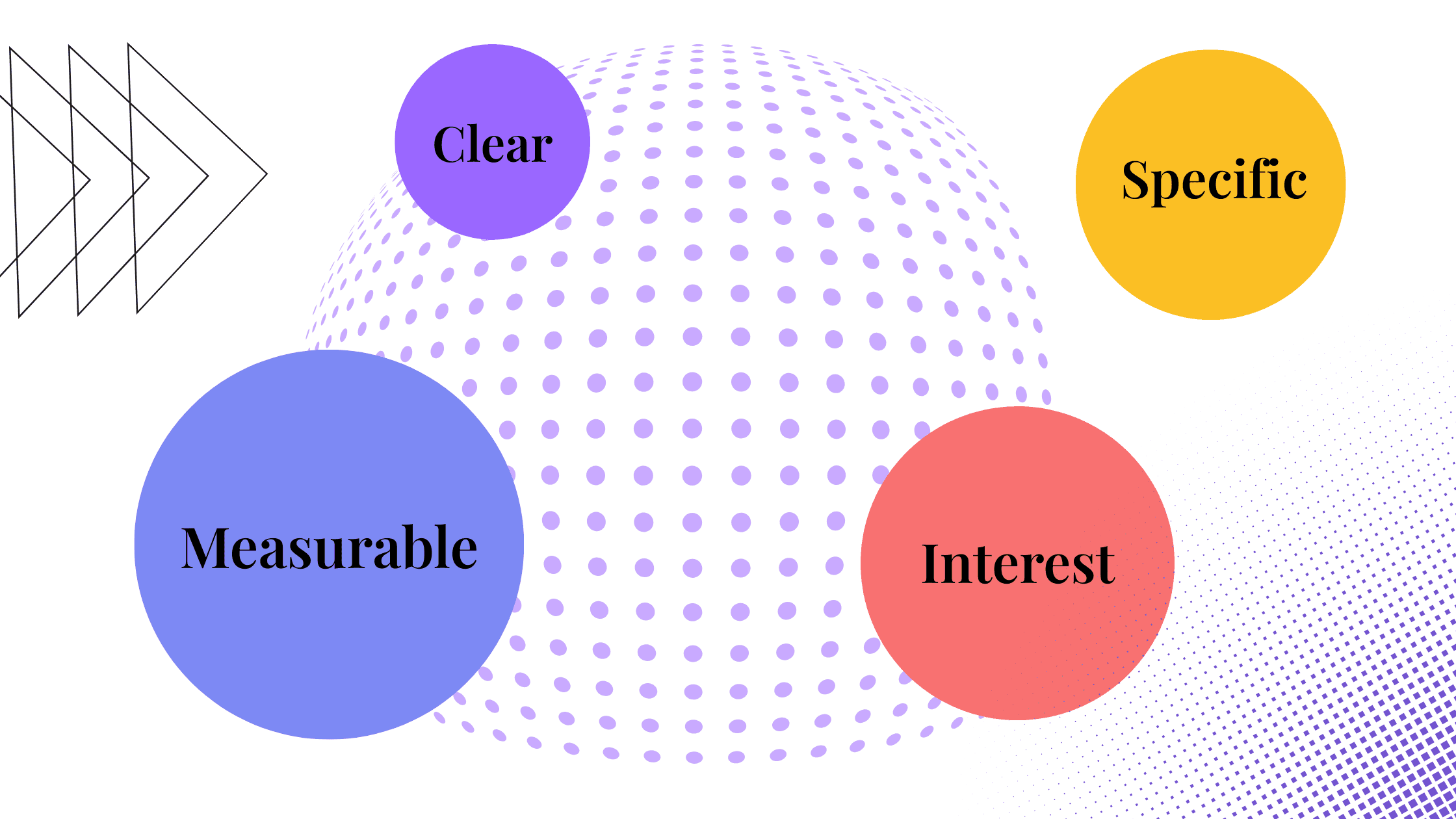
To make your transformation powerful (and attractive to clients), it should be:
1. Clear
If someone reads it, they should immediately understand what you do.
2. Specific
Avoid vague words like “improve,” “grow,” or “level up.” Focus on visible outcomes.
3. Measurable
Your result should be something the client can recognize when it happens.
4. Desired by the market
It should solve a real problem people are actively struggling with. When your transformation checks these boxes, demand increases and your pricing power rises sharply.
5.4 Examples of Beginner-Friendly Transformations (Steal These)
Here are some transformation examples across different coaching categories:
Fitness & Wellness
“I help busy women lose 5-7 kg through simple food habits and workouts they can do at home.”
“I help people struggling with gut issues fix digestion through holistic routines.”
Mindset & Confidence
“I help young professionals build unshakeable self-confidence through a structured mindset framework.”
“I help people break out of overthinking and take consistent action.”
Business & Career
“I help new freelancers get their first clients through positioning and simple outreach scripts.”
“I help employees transition into remote work with a complete 30-day plan.”
Relationships & Emotional Well-being
“I help people heal after breakups and rebuild their self-worth.”
“I help couples improve communication using a simple weekly connection system.”
You can see how each one is clear, specific, and action-oriented.
5.5 Why This Step Must Come Before Everything Else
If you skip this step, you end up:
unsure about your niche
confused about what to post
unable to explain your offer
struggling in sales conversations
attracting the wrong clients
lowering your price out of insecurity
using 10 tools to “look” professional instead of being professional
With a clear transformation:
your content becomes sharper
your audience grows faster
your offer becomes more attractive
you can charge more confidently
clients know exactly what to expect
word-of-mouth spreads more easily
This is the foundation of your coaching business and brand.
5.6 What If You Aren’t Sure What Your Transformation Should Be?

Don’t overthink this. You don’t need the perfect transformation today, you need a starting transformation. Here are three quick ways to find it:
Method 1 - “Look at Your Past”
What challenge have you overcome that others struggle with?
Method 2 - “Look at What People Ask You For”
If friends often ask for your advice in certain areas, there’s a clue.
Method 3 - “Look at Where You’ve Created Results”
Any area where you’ve helped others before, even informally can become your coaching transformation.
Your clarity will evolve. Your niche will refine itself. Your offer will get stronger with each client.
Don’t wait to be perfect. Start with what you know works.
5.7 The Bottom Line: Transformation Comes Before Tools, Offers, or Marketing
Everything you build next in your coaching business, offer, pricing, systems, marketing, will depend on this clarity.
Once you define your transformation, you become instantly more credible, even with a few followers. Clients trust coaches who know exactly what they help people achieve.
And now that you’ve defined this foundation, it’s time for the next critical step:
Step 2 - Define and Validate Your Ideal Client
Once you know the transformation you help people achieve, the next question is: Who exactly are you helping?
Most new coaches try to help “everyone,” and that’s exactly why they struggle to get clients. People don’t resonate with general promises, they resonate with specific problems, specific goals, and specific people who look like them.
Your ideal client is not just a demographic. It’s a person with a real struggle, a clear desire, and a story they’re living right now. And when you understand that story better than they do, you immediately become the coach they trust.
6.1 Why Ideal Client Clarity Matters More Than Ever in 2025

Social platforms are overcrowded. Every niche has hundreds of coaches saying similar things. But most coaches stay vague:
“I help people improve their fitness.”
“I help you build confidence.”
“I help you start a business.”
Vague messages force people to scroll past you. Specific messages make people stop and say: “Wait… that’s me.”
In 2025, relevance is everything. The right message to the right person beats a great message to everyone else.
6.2 How to Identify Your Ideal Client (The Clear, Simple Method)
Your ideal client is usually found at the intersection of three things:
1. Your experience
Who have you helped before?
Who do you understand deeply?
Which problems feel natural for you to guide?
2. Their urgent problem
People pay coaches to solve problems they want solved now, not someday.
3. Their emotional desire
Behind every practical goal is a deeper emotional need: confidence, stability, clarity, control, identity, or freedom.
When these three align, you have a high-demand ideal client.
6.3 The “Real-World Pain Mapping” Exercise (Use This Today)
Instead of guessing who your client is, let’s map it with a simple exercise. Take the transformation you defined and fill in these 5 questions:
1. What is their current daily struggle?
What do they complain about?
What frustrates them?
2. What have they already tried (and failed)?
This reveals why they need you.
3. What do they wish their life looked like instead?
Paint the “after” picture.
4. What is stopping them from achieving it?
Identify the obstacles you will help them remove.
5. How urgently do they want this transformation?
Urgency = willingness to pay.
When you answer these questions honestly, your ideal client becomes crystal clear.
6.4 Example Ideal Client Breakdown (To Make It Real)
Let’s say your transformation is: “I help postpartum women rebuild confidence and strength through simple home workouts.”
Your ideal client might be:
A mother 3-12 months after birth
Feeling disconnected from her body
Struggling with energy, consistency, or motivation
Feeling overwhelmed with responsibilities
Wanting to feel strong, confident, and healthy again
Looking for easy, doable workouts she can follow
Someone who values support and accountability
This client is clear, relatable, and easy to speak to.
Now, compare that to a vague version:
“Women who want to get fit.” You can see the difference.
6.5 How to Validate If Your Ideal Client Will Actually Pay
Defining an ideal client is good. But validating demand is what makes your coaching business successful.
Here’s how to do it without surveys, funnels, or complicated research:
1. Search for communities
Check Instagram hashtags, Facebook groups, Reddit, or YouTube comments. See what questions people ask. If they are active and emotional → there is demand.
2. Look for existing paid solutions
Are others offering similar coaching? Competitors are not a bad thing, they prove people are paying.
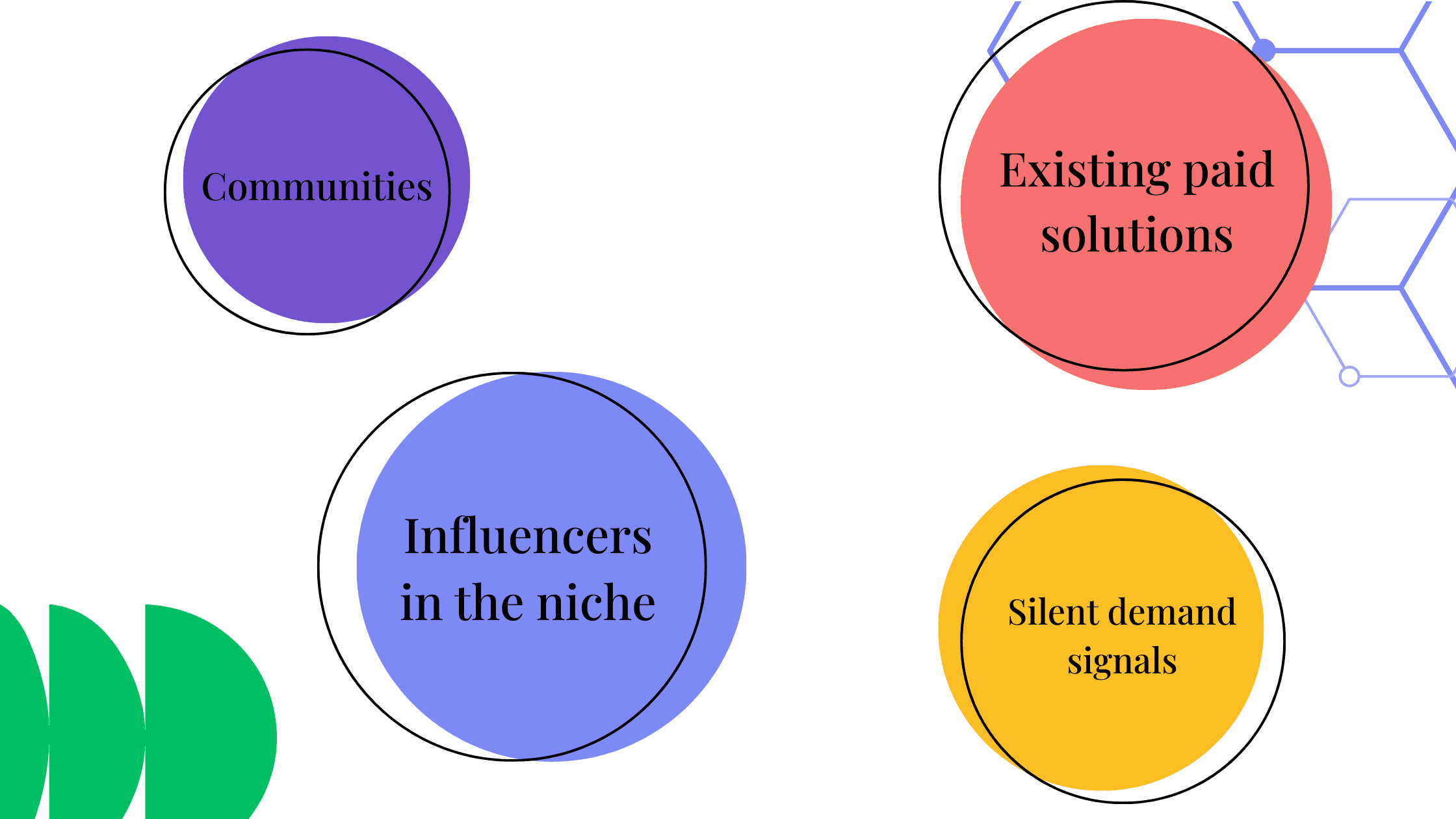
3. Look at influencers in the niche
If content creators thrive in this space, it means the audience is hungry.
4. Look for “silent demand signals”
This includes:
People asking for help
Friends seeking advice
People engaging with your content naturally
DMs from people wanting clarity
These are early indicators that your niche has monetary potential.
6.6 The “Validation in 48 Hours” Technique (Beginner Friendly)
If you want a quick and brutally honest validation:
Step 1: Post one piece of content
Share a piece of value in your niche and watch the response.
Step 2: Start 3 conversations
Message or talk to people you think fit your ideal client profile.
Step 3: Ask ONE simple question:
“What’s the biggest challenge you’re facing with ___ right now?”
The answers will tell you:
what they want
how urgent it is
whether they’d pay for help
what your offer should include
Real conversations > long research.
6.7 Signs You Picked the Right Ideal Client
You know your ideal client is right if:
You enjoy talking about their problems
You understand their world without guessing
You can picture their day-to-day life
You can explain their transformation simply
You feel confident helping them
You know exactly what content they need
You can speak their language naturally
You feel energized, not drained, working with them
If all of this feels true, your niche and ideal client alignment is perfect.
6.8 The Bottom Line: Your Ideal Client Creates Your Marketing, Not You
Your ideal clients indirectly tell you:
what to post
how to position yourself
which problems to highlight
how to describe your offer
what transformation they’ll pay for
what systems you should build
When your ideal client is clear, consistency becomes easier and growth becomes predictable. You’re no longer trying to shout into the noise, you’re speaking directly to the person who already needs you.
If you want a deeper breakdown on attracting your first few clients, with practical strategies, messaging examples, and a simple outreach structure, here’s the full guide: How to Get Coaching Clients Online (Practical Framework).
Now that we know who you’re helping, we can move into the part most new coaches skip entirely: designing a coaching offer that actually delivers results.
Step 3 - Design Your First Coaching Offer
Most beginners overcomplicate this step. They spend weeks trying to create a “perfect program,” recording content in advance, designing modules, or building fancy worksheets. Meanwhile, the coaches who grow quickly do something much simpler:
They create a clear transformation, a structured path, and a supportive delivery system and refine everything else as clients go through the program.
Your first offer doesn’t need to be perfect. It needs to be effective. And effectiveness comes from clarity, not complexity or premiumness.
7.1 What Your First Coaching Offer Should Actually Look Like

Forget the complicated funnels and 20-module courses you see online. Your first offer should be:
Simple to explain
Easy to deliver
Focused on one transformation
Built around real conversations + structure
At the beginning, you want an offer that builds confidence, helps you understand client patterns, and proves your transformation works.
Your offer is not “how much time you spend.” It’s the journey you take clients through.
7.2 The 3 Coaching Models (And Which Is Best for Beginners)
There are three main ways to structure your offer:
1. 1:1 Coaching (Best for beginners)
In 1:1 coaching, you work individually with clients. This format is ideal when you’re starting because it:
helps you understand client struggles deeply
builds confidence fast
lets you refine your method
delivers strong results
allows you to charge higher prices
creates happy clients who become referrals
If you’re a beginner, start here.
2. Group Coaching (Best once you’ve coached a few 1:1 clients)
Group coaching is great for:
scaling your time
building community
creating a shared learning environment
increasing revenue without more hours
But it works best when:
you’ve coached a few clients already
you know your method works
you’ve identified common patterns
Don’t skip straight to group coaching unless you already have demand or experience with 1:1s.
3. Hybrid Coaching (A mix of 1:1, group, and content)
Hybrid models combine personal support + group calls + resources. This becomes powerful once:
you know your framework
you can automate some parts
your community begins to grow
This is where many established coaches eventually land because it creates the best balance of personal attention, scalability, and efficiency.
If you want a full comparison of which delivery model helps you scale faster, 1:1 coaching or group coaching, here’s a deeper guide worth reading: Group Coaching vs 1:1 Coaching (Which Helps You Scale?).
7.3 Build Your First “Minimum Viable Coaching Program” (MVC Program)
Your first offer should be a Minimum Viable Coaching Program, simple, structured, and oriented around transformation. Here’s what your MVC program must include:
1. Clear transformation (from Section 5)
This is your program’s promise.
2. Duration
Start with 6-8 weeks. Long enough to see results, short enough for beginners to commit.
3. Session structure
Weekly or biweekly sessions are enough. (Example: 6 sessions across 8 weeks.)
4. Method or framework
Break the journey into 3-5 phases. This gives clients clarity and confidence.
5. Support format
Decide how clients can reach you between sessions (chat, email, check-ins).
6. Tools + materials
You only need the basics:
A few worksheets
A few prompts
A progress tracker
A habit or action tracker
Simple resources (if needed)
Complex programs come later. Your first clients don’t expect a full course, they expect clarity, direction, support, and minimum viable results.
7.4 How to Structure Your Coaching Program (Use This Template)
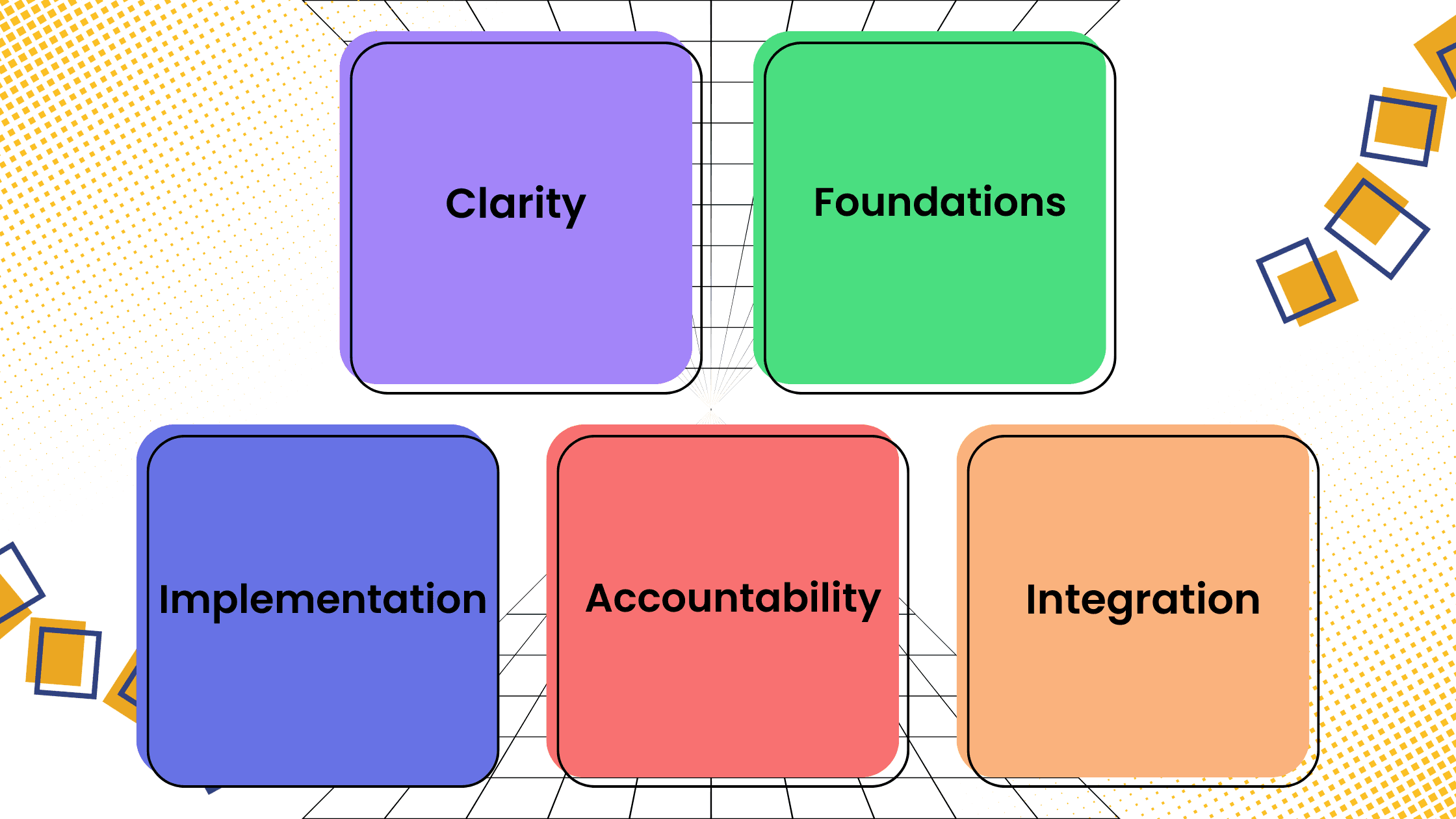
Here’s a beginner-friendly structure you can adopt today:
Phase 1 - Clarity
Define the current situation, struggles, and goals.
Phase 2 - Foundations
Introduce core frameworks, habits, or systems.
Phase 3 - Implementation
Guide the client through applying what they’ve learned.
Phase 4 - Accountability
Weekly check-ins, progress tracking, and adjustments.
Phase 5 - Integration
Ensure long-term consistency and create a plan beyond the program.
7.5 What to Include in Your Offer (So It Feels Valuable and Professional)
Here are elements that make your offer compelling without making it complicated:
✔ Weekly coaching sessions
Clear time slots that clients look forward to.
✔ Personalized action steps
Help clients know exactly what to do next.
✔ Accountability check-ins
Keeps clients committed and builds momentum.
✔ Support between coaching sessions
A simple chat option for quick questions.
✔ Resources that support the transformation
Only what is necessary - not endless worksheets.
✔ A structured roadmap
Clients love knowing the path. It makes them trust you more and stay consistent.
7.6 A Simple Example of a First Coaching Offer
Let’s take a fitness coaching example:
Program: “Fit Again in 8 Weeks”
For: Postpartum women
Result: Feel stronger, lighter, and more confident
Format: 1:1 coaching
Includes:
8 weekly coaching sessions
Personalized workout plan
Meal guidance (simple, not overwhelming)
Progress tracking
Chat support
A 4-phase structured roadmap
This is straightforward, transformation-focused, and very sellable.
7.7 How to Introduce Your Offer Without Feeling “Salesy”

One of the biggest fears beginners have is: “How do I talk about my offer without sounding pushy?”
Here’s the mindset shift:
You’re not selling sessions. You’re offering a transformation.
When your offer is built around clarity and results, sharing it feels natural.
Use this simple script:
“Based on what you shared, I have a program that helps people like you go from [current struggle] to [result] in [time]. It includes [key elements]. Would you like to hear what that might look like for you?”
This creates interest without pressure.
7.8 The Bottom Line: Your First Offer Should Be Simple, Structured, and Effective
Your first coaching offer is not meant to be the final version. It’s a starting point that helps you:
gain experience
understand patterns
improve your frameworks
build testimonials
increase your confidence
Start simple, stay structured, and let your offer evolve as you coach real clients. Clarity and consistency build credibility not complexity.
If creating a course is part of your plan, this guide walks you through the entire process step by step: How to Create & Sell Your First Online Course.
Now that you have your offer ready, the next question is naturally:
How do you price it confidently?
Step 4 - Price Your Coaching Program with Confidence
Pricing is one of the biggest mental blocks for new coaches. Almost every beginner asks the same questions:
“Am I charging too much?”
“Am I too new to charge this price?”
“What if people say it’s expensive?”
“Should I start cheap and increase later?”
But here’s the truth most coaches don’t realize:
You don’t get paid for the hours you spend. You get paid for the transformation you deliver.
If your coaching helps someone solve a painful problem, save time, avoid mistakes, or become a better version of themselves, your work is already worth more than you think.
Pricing is not about guessing or copying what other coaches charge. It’s about understanding the value of your transformation, the level of support you provide, and the urgency of your client’s need.
Let’s break it down into a clear, practical system you can use immediately.
8.1 Why New Coaches Almost Always Undercharge (and Why You Shouldn’t)

Most beginners price based on insecurity, not value. They look at their experience and think: “I’m not established enough.” Or they compare themselves to big-name coaches and feel small.
But what clients pay for is not your biography, it's the result you help them achieve.
If you’re offering a transformation that:
solves a real problem,
saves time or energy,
improves someone’s health, career, confidence, or relationships,
or creates progress they haven’t been able to get alone…
…then your work has real, tangible value.
Undercharging might feel safe, but it often backfires:
clients take it less seriously
commitment drops
your confidence suffers
your business feels unstable
Charging fairly respects both you and your client.
8.2 How Much Do Coaches Typically Charge? (2025 Pricing Ranges)
Pricing varies across niches, but here’s what most new coaches successfully charge in 2025:
1:1 Coaching (Beginners)
$300-$900 in the US (₹12,000-₹30,000 in India) for a 4-6 week program
$600-$2,000 in the US (₹25,000-₹45,000 in India) for an 8-12 week program
Group Coaching (Once You Have Some Demand)
$150-$500 in the US (₹5,000-₹15,000 in India) per participant for a 4-8 week group program
Hybrid Coaching
$1,000-$3,000 in the US (₹20,000-₹50,000+ in India), depending on added support, content, and community
These are not random numbers. These are actual market ranges for new but effective coaches in wellness, fitness, mindset, career, and business niches.
But the goal isn’t to copy these numbers, it’s to understand where you fit.
8.3 The 3 Pricing Models New Coaches Should Consider
There are three simple ways beginners can approach pricing. Choose the one that feels most aligned.
Pricing Model 1 - Flat Program Fee (Most Common)
You set one price for your full 6-8 week coaching program.
This keeps things simple and makes it easy for clients to commit.
Example: ₹20,000 for an 8-week 1:1 coaching program.
Pricing Model 2 - Tiered Pricing
Offer two levels:
Standard: Weekly coaching + action steps
Premium: Everything in Standard + chat support, resources, or deeper personalization
This helps clients pick based on their needs and budget.
Pricing Model 3 - Monthly Coaching
Charge monthly, with a minimum commitment (usually 2-3 months).
This works for clients who need longer support and helps stabilize your income.
8.4 The Value Equation: A Simple Way to Price Confidently

Instead of thinking “What price is safe?” think:
“What is the value of the transformation I am helping them achieve?”
Here’s a simple value equation:
Transformation value + urgency + level of support + your experience = Your price
For example, if you help someone:
lose weight (high emotional value)
feel healthy again (life-changing)
reduce stress (high urgency)
and you support them weekly
Your offer is worth more than $100 or ₹5,000. You’re helping someone transform their life. Pricing should reflect impact, not insecurity.
8.5 A Simple Pricing Formula You Can Use Today
Use this to calculate a fair starting price: Start at ₹2,500-₹4,000 per week of support. (Depending on niche, urgency, and strength of transformation.)
So a 6-week program becomes ₹15,000-₹24,000, and an 8-week program becomes ₹20,000-₹32,000.
Wrt the US market, for a 6-week 1:1 coaching program: $350-$850 and an 8-week 1:1 coaching program: $550-$1,500 make sense.
This aligns with both Indian and the US coaching market realities.
8.6 How to Talk About Your Price Without Feeling Nervous
Here’s the biggest shift beginners need to make:
You’re not asking for money, you’re offering a solution.
When you present your price, do it with clarity and confidence:
“The investment for this 8-week coaching program is $1200. It includes weekly sessions, personalized plans, habit tracking, and ongoing support. Clients typically see results as early as week 4-5.”
You’re simply stating the value you provide. Confidence isn’t arrogance, it’s clarity.
8.7 What If the Client Says It’s “Expensive”?
This is more common when your messaging is vague or the transformation is unclear. Instead of lowering your price, clarify the outcome:
“I completely understand. Most clients felt the same before joining, but they realized the cost of not solving this problem was far higher.”
If someone truly cannot afford it, offer:
a shorter program
a group coaching option
or a payment plan
But don’t drop your price just because someone hesitates.
8.8 When to Increase Your Prices (Clear Indicators)
You should increase your price when:
clients are consistently getting results
you're fully booked or nearing capacity
sales calls feel easier
people say “yes” quickly
you have built more structure and better delivery
Most beginners undercharge for too long. Once you see proof that your method works, increasing price is not greed, it’s deserving growth.
8.9 The Bottom Line: Price for Transformation, Not Time
Your coaching price isn’t determined by:
your certifications
how new you are
how many followers you have
how many tools you use
It’s determined by:
the urgency of the client’s need
the value of their transformation
the clarity of your program
the level of support you provide
your growing experience
Charge with confidence, deliver with consistency, and refine with experience. Pricing is not just a number, it’s a reflection of the transformation you provide.
If you want a deeper breakdown of pricing strategies, benchmarks, psychological pricing, and real-world examples, here’s a full guide you can follow: How to Price Your Coaching Programs Confidently.
Now that your offer and pricing are solid, it’s time to build the systems that keep everything running smoothly (and prevent the 10-tool chaos that overwhelms new coaches).
Step 5 - Set Up Your Coaching Systems

If there’s one thing that overwhelms new coaches the fastest, it’s the tech stack.
People assume they need to sign up for every tool under the sun, a scheduling app, a payment tool, Zoom, a content platform, a separate course platform, WhatsApp or Facebook groups, Notion, Google Sheets, an email system, and five different apps just to onboard one client.
This is the fastest path to burnout.
The truth is, your coaching business doesn’t need more tools. It needs a simple system that supports the transformation you promise.
Your systems are not just software. They are the foundation of how you deliver your coaching experience, consistently, professionally, and without stress.
Let’s build this properly.
9.1 The 5 Systems Every Coaching Business Needs (Nothing More)
Your coaching business needs only five core systems - not ten, not fifteen.
1. Booking
A simple way for you or clients to schedule the sessions.
2. Payment
A clean way to collect payments without chasing invoices.
3. Delivery
Where your sessions, materials, and coaching journey live.
4. Content + Community System
How you keep clients engaged and supported between sessions.
5. Tracking + Accountability System
How you measure progress and keep clients on track.
That’s it. If you set up these five systems properly, your coaching business will feel structured, professional, and manageable.
9.2 What Happens When You Don’t Have a System (The Chaos Cycle)
Most new coaches try to run everything manually:
Bookings over Instagram DM
Payments over random QR codes
Zoom links sent manually
WhatsApp groups for reminders/discussions
Notes in Google Docs
Homework in Notion
Content spread across 5 folders
Client progress stored everywhere
It might work for 1-2 clients. It falls apart at 5 clients. And it becomes unmanageable at 10.
This “tool chaos” kills momentum, reduces client results, and makes your coaching feel heavier than it should.
A coaching business should feel organized, not overwhelming.
9.3 The Simple Tech Blueprint for New Coaches (2025 Edition)

If you’re just starting out, your goal isn’t to build a “tech stack.” It’s to build a minimal system that supports your delivery without distracting you from coaching.
Think in functions, not tools. Every coach needs only six basic functions:
Scheduling - automate session booking and reminders.
Payments - a reliable way to collect fees without friction.
Live delivery - where sessions actually happen.
Content delivery - where worksheets, recordings, and frameworks live.
Engagement - a simple place clients can ask questions or share wins.
Client continuity - a space to keep them accountable and connected.
You can achieve this with either:
a bundle of 3-4 simple tools, or
one unified platform that does it all end-to-end.
The tool you pick matters far less than the clarity of the structure you follow.
9.4 The 2025 Shift: Coaches Want Fewer Tools, Not More
Something interesting has happened in the past two years:
Coaches don’t want 10 different apps anymore. They want clarity.
The market trend is clear: one place for sessions, payments, materials, community, messaging, etc.
Everything in one place → consistency.
Consistency → client progress.
Client progress → your business grows.
This is exactly why the industry is moving toward “coaching hubs” instead of scattered tools.
You don’t need high-end “enterprise” systems, just a clean, unified setup that keeps your coaching business organized.
9.5 How a Simple Coaching OS Works (A Practical Example)
Let’s make this concrete.
A clean Coaching Operating System (Coaching OS) looks like this:
1. Clients book sessions or you schedule sessions → automatically added to your calendar
No back-and-forth messages.
2. Clients pay upfront → receive instant access to onboarding
No chasing payments.
3. You host sessions on Zoom → everything is still linked in one place
No searching for links each week.
4. You upload materials, notes, and action steps in a single hub
No scattered Google Docs.
5. Clients track their progress on weekly check-ins
No manual reminders.
6. You nurture your clients through a community or support space
No juggling multiple chats and apps.
This creates a coaching business that feels light as it should.
9.6 Why These Systems Matter More Than Fancy Content
Clients aren’t paying for:
how pretty your website looks
how complex your tools are
how many apps you use
They’re paying for:
clarity
structure
accountability
consistent communication
a supportive experience
visible progress
Your systems are what deliver that. A clean system increases your coaching quality without increasing your workload.
9.7 What You Actually Need to Set Up Today (Nothing More)
This is your practical, day-one setup. No brainstorming, no overthinking - just get these pieces live:
A booking + reminder system
So clients can self-schedule or you can schedule yourself and never miss a session.
A clean, trustworthy payment flow
So money comes in without manual back-and-forth.
A coaching delivery hub
Where your notes, session replays, worksheets, and guides stay organized.
A simple weekly accountability touchpoint
A check-in form, tracker, or prompt your clients complete.
A basic support space
So clients can ask questions, share wins, and interact between sessions.
And equally important - here’s what you should not waste time or money on right now:
✘ Fancy automations
✘ Complex funnels
✘ CRM overkill
✘ Full course platforms
✘ Heavy website builders
Start with a lean setup that supports your first 5-15 clients.
Upgrade only when your client load (and not your imagination) demands more.
9.8 The Bottom Line: Systems Make You a Professional Coach, Not More Tools
If you want to feel confident, grounded, and organized as a coach, your systems need to support you, not drain you.
A good coaching system should:
reduce decision fatigue
save you hours each week
make your sessions smoother
help clients stay consistent
minimize technical friction
give you space to coach without chaos
When your business feels light and structured, everything gets easier, delivery, marketing, content, and client retention.
Now that you have the systems in place, let’s move to the part every new coach cares about: Getting your first 5-10 clients.
Step 6 - Build a Simple Trust-Building Online Presence

Most new coaches believe they need a gorgeous website, a polished Instagram feed, or hundreds of followers before they can start attracting clients. But that’s not true, not in 2025, and definitely not for beginner coaches.
You don’t need perfection. You don’t need aesthetics. You don’t need advanced branding.
What you do need is a simple online presence that builds trust, communicates clarity, and helps the right people discover your transformation.
A strong online presence is not about looking impressive, it’s about being discoverable, relatable, and helpful. Let’s break down how to build this without wasting weeks on design or details.
10.1 Why You Don’t Need a Website to Start (Yes, Really)
A website is great, but it's not the first step. When you’re just beginning, a website can easily become a distraction:
You spend weeks designing instead of coaching
You try to make it perfect instead of making it live
You fall into the trap of “I can’t launch yet, my website isn’t ready”
Meanwhile, coaches with no website get clients through clarity + conversations.
Here’s the real truth: Your online presence should help people understand what you do, not slow you down.
A simple, high-trust profile does this beautifully.
10.2 Your First “Digital Home” Should Be One of These (Pick 1)
Choose ONE as your starting point:
Great for lifestyle, coaching wisdom, storytelling, and relatability.
Perfect for professional, career, business, productivity, or leadership coaches.
✔ YouTube Shorts / TikTok
Best for coaches who enjoy speaking on camera.
✔ A simple “link-in-bio” landing page
Useful if you want clients to book calls easily.
You don’t need to be everywhere. You need to be consistent in the right place.
Pick the platform where your ideal clients already hang out and commit to it.
10.3 The “3-Part Profile Framework” That Makes You Look Professional Instantly
Regardless of the platform, your profile should answer three things immediately:
1. Who you help
Your ideal client.
2. What transformation you deliver
Your promise.
3. What someone should do next
Your call-to-action.
Here’s a simple example:
Bio Example:
“I help postpartum women rebuild strength & confidence with simple, sustainable routines. Book a free clarity call.”
Or:
“I help freelancers get their first 5 clients using positioning & simple outreach systems. DM ‘START’ to begin.”
This structure works because it eliminates confusion.
10.4 Build a Content Presence That Shows You Understand Their World
You don’t need high-production content. You need content that shows:
empathy
clarity
understanding
your unique framework minus the secret sauce
real transformation stories
your personality
your voice
People hire coaches because they trust them, not because their posts look perfect.
Your content should answer three questions for your audience:
✔ “Do they understand my struggles?”
(Posts about their pain points)
✔ “Do they know how to solve my problems?”
(Posts about your frameworks)
✔ “Can I trust them to guide me?”
(Posts about your story, experiences, results)
This type of content converts followers into clients.
10.5 The 5 Types of Content Every Coach Should Post (No Overthinking)

You don’t need daily posts or viral reels. You just need these 5 content types, consistently.
1. Pain-Point Posts
Show you understand what they’re struggling with.
2. Transformation Posts
Show what life can look like after working with you.
3. Education Posts
Teach small steps or share mini-frameworks.
4. Story Posts
Share your journey, why you coach, your mistakes, your milestones.
5. Invitation Posts
Invite people to DM you, book a call, or explore your offer.
This mix builds trust and initiates real conversations.
10.6 You Only Need 3-4 Pieces of Content Per Week (Not 30)
Content isn’t a volume game anymore. It’s a relevance game.
Posting 3-4 meaningful pieces of content weekly is more than enough to:
stay visible
build trust
attract conversations
show expertise
warm up your audience
Don’t burn yourself out trying to “keep up with the algorithm.” Build consistent value instead.
10.7 Use One Strong Conversion Path (The Magic Ingredient Beginners Miss)
Your content and profile should guide people toward ONE simple action.
Examples:
“DM me the word START”
“Book a free clarity call”
“Join my waitlist”
“Download this free guide”
When your content creates interest, your call-to-action converts interest into clients.
Without a CTA, you end up with followers, not clients.
10.8 What If You Don’t Feel Confident on Camera Yet?
Good news, you don’t need to be. Start with content formats that feel natural:
carousels
text posts
screenshots
value threads
short stories
simple talking-to-camera videos
voice-over reels
quotes + insights
Your voice matters more than your face.
Confidence comes through expression, not perfection.
10.9 The Bottom Line: Your Online Presence Should Be Simple, Trust-Building, and Clear
A strong online presence isn’t built through fancy branding or viral tricks. It’s built through:
clarity
helpfulness
consistent presence
real understanding
one strong transformation
one clear message
one aligned platform
When your online presence communicates exactly who you help and how, clients begin to find you naturally, even with a small audience.
Now that your presence is established, it’s time for the most important part:
Getting your first 5-10 paying clients, without ads, funnels, or complicated marketing.
Step 7 - Get Your First 5-10 Coaching Clients Fast
Getting your first few clients is often the most intimidating part of starting a coaching business, not because it’s complex, but because most new coaches try strategies meant for people who already have established audiences, polished branding, or large followings.
In reality, you don’t need any of those things to begin. Your first clients typically come through clarity, trust, and simple conversations, not from viral content or elaborate marketing funnels.
This stage is about building real human connections. You’re helping someone achieve a meaningful transformation, and people will invest when they feel understood, supported, and confident that you can guide them.
Let’s walk through practical, human-centered ways to get those first 5-10 clients, methods that work even if you’re starting with no audience at all.
11.1 Why Conversations Matter More Than Content at the Beginning

Content is powerful, but it takes time to build momentum. Conversations, on the other hand, create immediate clarity and trust.
When you speak to someone directly, whether through a DM, a reply to a story, or a quick call, you get to understand their struggles, desires, and goals in a way that content alone can’t capture.
Clients often come from people who have already interacted with you in some way: a follower who has been silently watching, a friend of a friend, someone who resonated with your story, or someone who sees themselves in the transformation you offer.
These connections create warmth and familiarity, making it easier for them to reach out for help. That’s why your early focus should be on genuine conversations, not large-scale visibility.
11.2 The “Warm Circle Activation Method” (A Simple Way to Start)
Your first clients rarely come from strangers. They come from your existing circle, people who already know who you are, have seen your work, or understand your experience.
The Warm Circle Activation Method is one of the fastest and least stressful ways to get started because it works through gentle awareness, not sales pressure.
Begin by listing 20-30 people who might know someone who could benefit from your coaching. These aren’t “prospects”, they are simply connection points.
Once you have your list, reach out individually with a simple message informing them about your new coaching direction and the type of transformation you help people achieve.
You’re not pitching them, you’re simply letting them know what you’re working on.
Often, one or two of these people will either express personal interest or refer to someone who truly needs your support. It’s a natural, permission-based way to begin building momentum without feeling pushy.
11.3 Turn Content Into Conversations Using Simple Calls-to-Action
Once you start sharing consistent content (even in small amounts), you can invite your audience to start conversations with you. This doesn’t require complex funnels, just clear, low-pressure invitations.
People who resonate with your posts may not comment publicly, but they often respond when you give them a simple, private path into your world.
For example, you can add a line at the end of a post saying: “If you’re working through something similar, feel free to DM me, I’m happy to help.”
This one sentence opens dozens of quiet conversations over time. When someone reaches out, your goal isn't to pitch them but to understand what they’re struggling with.
If their challenge aligns with your transformation, you can naturally guide the conversation toward a clarity call.
This approach attracts clients who already feel emotionally connected to your message.
11.4 Build Trust Through Mini-Value Content (Not Heavy Posting)
You don’t need to flood your feed with content. Instead, focus on deeper, high-trust pieces that show you understand your ideal client’s world. Share stories, frameworks, or small actionable insights that demonstrate your clarity.
These posts help people see that you grasp their real struggles and have a structured way to help them move forward.
When they recognize themselves in your posts, you become memorable. When they feel understood, they begin to trust you. And when they trust you, they are far more likely to reach out to you directly.
This is how content gradually opens the door to conversations, without needing to “go viral” or post daily.
11.5 Offering a Few Free Clarity Sessions (Without Feeling Like You’re Giving Away Coaching)
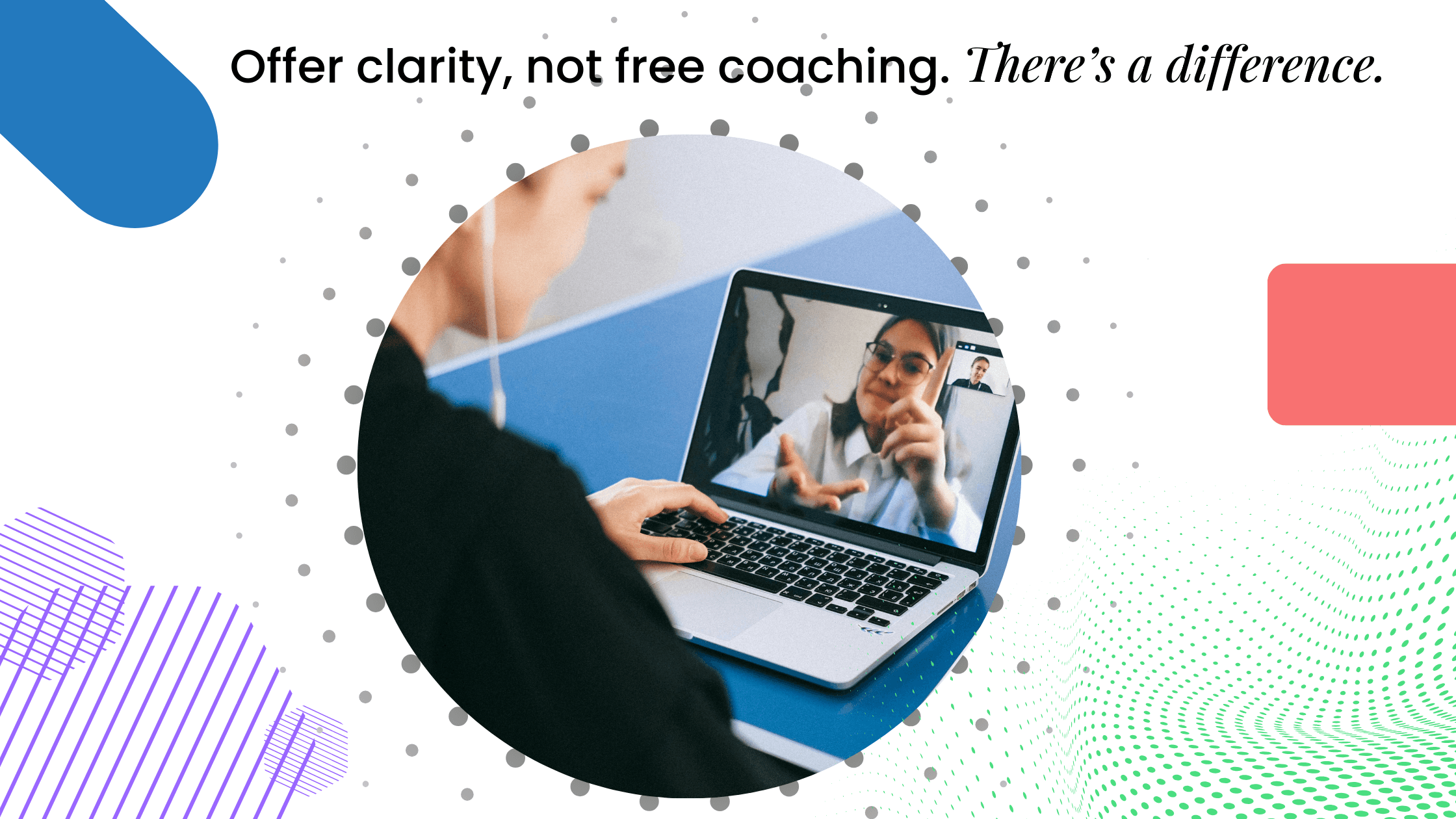
A powerful way to gain momentum is to offer a very limited number of free clarity sessions, usually just three to five.
These sessions are not meant to be full coaching experiences. Instead, they are designed to help someone gain direction, understand their challenges more deeply, and get a sense of what working with you would be like.
During these calls, you listen closely, ask insightful questions, and help them identify what’s holding them back. Many people experience breakthroughs in these conversations.
And often, a good portion of them will ask about your coaching program without you ever needing to “sell.” This method strengthens your confidence, deepens your understanding of client patterns, and helps you refine your framework.
11.6 Borrowing Audiences for Visibility (A Hidden Growth Shortcut)
You may not have a large audience, but you can borrow one. Collaboration instantly increases your reach and credibility.
This can look like joining another creator for a live session, appearing on a small podcast, sharing a story jointly with a friend in your niche, or participating in a themed discussion.
These collaborations help you reach people who already follow someone they trust and that trust often extends to you when they see you add genuine value.
The key is not to promote aggressively but to offer perspective, clarity, and simple frameworks during these interactions. When people feel your depth, they remember you long after the session ends.
11.7 Engaging Where Your Ideal Clients Already Are (Without Being Salesy)
Another effective strategy is joining conversations in relevant communities - Instagram comments, Reddit threads, LinkedIn discussions, Facebook groups, or niche forums. When you see someone expressing a struggle you help solve, respond thoughtfully with a short, helpful perspective. Not a pitch, just value.
For example, if someone posts, “I feel like I’m not making progress after my breakup,” you might respond with a small framework or reflection that can help them immediately. This positions you as someone who understands, not someone trying to sell. Many people follow up privately, wanting to learn more.
11.8 Running a High-Trust Clarity Call That Converts Naturally
When someone is interested in exploring further, invite them to a clarity call. This is not a high-pressure sales call, it’s a structured conversation to help them understand their goals, identify what’s blocking them, and explore whether your coaching is the right next step.
A well-run clarity call often feels like a relief to the person, because they finally feel seen and understood. If your framework aligns with their goals, you simply share what the next steps would look like.
Many coaches find that clients make the decision themselves without needing persuasion, because clarity creates confidence, and confidence leads to commitment.
11.9 Why People Say “Yes” to New Coaches (Even If You’re Not Established Yet)
Clients don’t hire coaches because they have credentials, large followings, or perfect branding. They hire coaches who deeply understand their struggles and offer a clear path forward.
If your message resonates, your framework is clear, and your energy is grounded, people will trust you, even if you’re just getting started.
What matters most is your ability to articulate the transformation you offer, ask insightful questions, and create a safe, supportive space for growth. When someone feels that from you, your “newness” stops mattering entirely.
11.10 The Bottom Line: Your First Clients Come From Clarity and Conversation, Not Complexity
Your first few clients do not require ads, elaborate funnels, advanced tools, or a massive audience. They come from:
clear messaging
meaningful conversations
helpful content
structured calls
and the belief that you can help someone change a part of their life
Once those first 5-10 clients come in, everything becomes easier, your confidence grows, your framework gets sharper, and your content becomes more effective. These early experiences are the foundation of a coaching business that feels stable, grounded, and scalable.
Step 8 - Deliver Great Results for your Coaching Clients
Great marketing can get you attention. A clear offer can get you clients. But exceptional client results are what build a coaching business that lasts.
In fact, nothing grows a coaching business faster than clients:
feeling genuinely supported
experiencing visible progress
recommending you privately
sharing their wins publicly
renewing or referring others
Most coaches focus heavily on marketing and visibility, but the truth is that your delivery is your strongest competitive advantage. When you help someone achieve a transformation they’ve been struggling with for months or years you become unforgettable to them. Good results turn into word-of-mouth. Word-of-mouth turns into momentum. And momentum turns into long-term success.
Let’s break down exactly how to deliver experiences that make clients feel deeply supported and set you apart as a coach.
12.1 What Clients Really Want From Coaching (It’s Not Just Information)
Many new coaches mistakenly believe they need to give clients mountains of content, long worksheets, or overly detailed plans. But clients don’t want more information, they want change, clarity, and consistent support.
What clients truly value is just someone who:
listens deeply
understands their patterns
helps them see their blind spots
provides structure and accountability
gives them a clear path
moves them from confusion to confidence
People don’t hire coaches to learn more, they hire coaches to become more.
When your delivery focuses on transformation, not information, clients stay engaged, committed, and genuinely grateful for your guidance.
12.2 Your First Goal: Give Clients Early Wins (Momentum Is Everything)
The first two weeks of a coaching program are the most important. This is when clients decide whether they trust your process and whether they believe they will succeed. If they experience small, meaningful wins early, they become more motivated and more invested in the journey.
Early wins can be as simple as:
feeling more clarity than they’ve had in months
completing a small but impactful habit
overcoming one mental block
finally understanding why they’ve been stuck
improving one part of their routine
These wins build confidence. Confidence builds momentum. Momentum builds long-term transformation. Design the early phase of your program to help clients see progress quickly, even if it’s small. It sets the tone for everything that follows.
If you are struggling with retaining clients or just want to know more about clients dropping off, check out: Why Coaching Clients Lose Motivation & How a Community Helps (coming soon).
12.3 Build a Repeatable Framework (So Your Coaching Feels Structured and Professional)
Clients feel safe when they know there’s a plan. Even if your coaching is personalized, having a clear framework makes your program feel purposeful and well-designed.
A simple but powerful coaching framework follows this structure:
1. Awareness
Understanding where they are right now and what’s blocking them.
2. Clarity
Defining their goals and the transformation they want.
3. Foundations
Building the core habits, mindsets, or systems that support change.
4. Implementation
Taking action in small, structured steps.
5. Adjustment
Improving the plan based on what’s working or not working.
6. Integration
Ensuring the transformation lasts beyond the program.
This framework works across every coaching niche - wellness, fitness, business, mindset, relationships, and more. It helps clients feel safe, supported, and guided every week.
12.4 Prioritize Accountability (This Is Where 80% of the Transformation Happens)
Most people know what to do, they simply struggle to do it consistently. And that’s where accountability becomes your superpower as a coach.
Accountability doesn’t mean pushing or pressuring clients. It means:
reminding them of their goals
helping them stay aligned
supporting them when they struggle
checking in on small action steps
keeping them connected to their “why”
Your weekly check-ins, shared progress trackers, and simple reminders create a structure clients can lean on, especially when they hit emotional or mental roadblocks.
A coach’s presence can be the difference between a client giving up and a client moving forward.
12.5 Create a Supportive Environment Between Sessions
Clients grow between sessions, not just during them. This is why the space you create outside your weekly calls matters deeply. A supportive environment makes clients feel connected, cared for, and understood.
This could look like:
a private group
a messaging space
a weekly reflection form
a habit tracker
a shared check-in routine
When clients know they can reach out, share wins, or ask a quick question, they feel held. The transformation becomes smoother, and their commitment becomes stronger.
A coaching program with no support between sessions often leads to drop-offs. A program with the right amount of support creates lasting change.
12.6 Personalization Makes Clients Feel Seen (Even If Your Framework Is Standardized)
The fastest way to build deep trust with clients is to personalize your guidance. This doesn’t mean creating custom content for every person, you can have a standard framework, but you tailor your approach to their specific struggles, personality, and goals.
Personalization could be:
tweaking their action plan
adjusting their weekly focus
offering examples relevant to their lifestyle
providing an alternative habit if one isn’t working
meeting them where they are emotionally
When clients feel seen, they feel valued. When they feel valued, they stay committed. This is the heart of a great coaching experience.
12.7 Track Progress Clearly (Clients Need to See Their Own Transformation)
People often underestimate their progress unless you show it to them. A simple progress tracker can make a dramatic difference in a client’s motivation.
This could include:
weekly check-in questions
measurable indicators (weight, mood, habits, energy, actions)
reflections
wins celebrated
challenges identified
When clients see their own progress visually even if it’s small, they feel empowered. It proves that the journey is working, and it reinforces their belief in both themselves and your program.
12.8 Help Clients Build Long-Term Habits (So Results Don’t Fade After the Program)
Your coaching should not only solve today’s problem, it should prepare clients to sustain the transformation in the long run. Your goal is to help them build habits, mindsets, and systems that last beyond the program.
Examples:
giving them a post-program habit checklist
creating a simple continuation plan
teaching them the underlying principles, not just actions
setting them up with a 3-6 month roadmap
When clients finish your program with a clear path forward, they feel truly transformed, not just temporarily improved. And this is what leads to renewals, referrals, and long-term reputation.
12.9 The Bottom Line: Exceptional Coaching Creates Growth, Reputation, and Stability
When you provide a smooth, supportive coaching experience, combined with early wins, accountability, and personalized attention, you create results that clients talk about for months.
Your marketing gets easier because:
clients begin referring others
you collect real testimonials
your content becomes richer
your confidence increases
your frameworks get sharper
your offer gains more authority
Great coaching isn’t about being perfect. It’s about being present, structured, supportive, and consistent. When clients feel genuinely guided, they become your best ambassadors. Now that you can deliver real transformation, let’s take the final step: turning all this into a sustainable coaching business that grows over time.
Step 9 - Grow Faster With Feedback, Proof & Community
Once you’ve delivered strong results and built a solid coaching experience, the next step is turning those early wins into long-term growth.
Sustainable coaching businesses aren’t built through endless marketing sprints, they’re built through trust, social proof, and connection.
Your existing clients can become your biggest growth engine. When they feel supported, understood, and transformed, they naturally talk about you, recommend you to others, and help you expand your coaching business reach organically.
And when you combine that with structured feedback and a simple community ecosystem, your coaching business becomes significantly more stable and scalable.
Let’s break down how to turn great delivery into sustained, compounding growth.
13.1 Why Social Proof Is the Most Powerful Marketing Asset for Coaches
In coaching, results speak louder than any marketing strategy. Prospective clients are far more likely to trust real stories from real people than polished posts, branded graphics, or complex funnels.
When they see someone like them achieving the transformation they want, it creates instant belief and emotional connection.
Testimonials are evidence. Client wins are proof. Success stories are trust-builders.
This type of proof not only makes your offer stronger but also shortens the decision-making cycle for new clients. Instead of wondering whether your coaching works, they see it happening in real time.
13.2 How to Collect Honest, Natural Testimonials (Without Feeling Awkward)
Many coaches hesitate to ask for testimonials because they don’t want to appear pushy. But clients who’ve experienced real transformation are usually happy to share their progress, they just need a little structure.
The best time to ask for a testimonial is:
after the first breakthrough
at the end of the program
after they share a notable win
when they express gratitude
You can make it easy by giving them 3-4 simple questions like:
“What was the biggest challenge you struggled with before we started?”
“What changed for you during the program?”
“How do you feel now compared to when we began?”
“What would you tell someone who’s considering this program?”
This creates natural, authentic stories, not forced responses.
13.3 Celebrate Client Wins Publicly (This Builds Trust and Authority)
One of the most powerful ways to build momentum is by celebrating your clients' progress, big or small. When you share their wins (with permission), you show your audience that real people are growing through your guidance.
Examples include:
a breakthrough they had
a habit they successfully built
a shift in their mindset
a tangible milestone
a message from them expressing progress
This type of content builds credibility, inspires your audience, and reinforces the value of your coaching. It also strengthens your bond with existing clients because they feel seen and supported.
13.4 Use Client Feedback to Improve Your Program Continuously
Your first few clients give you the clearest picture of what works and what needs improvement. Instead of trying to make your program “perfect” before you launch, let your clients help shape it.
Ask for feedback at three points:
Week 1-2: Are they feeling supported? Do they understand the process?
Midway: What’s working well? Where are they struggling?
End of program: What improvements would make the program even better?
This type of feedback helps you refine your framework, improve your delivery, and strengthen your systems. You grow alongside your clients, and your program becomes more aligned with real-world needs.
13.5 Build a Simple Community Around Your Coaching (This Deepens Engagement)
A community doesn’t have to be a huge group or a large platform. It can be a small, intimate space where clients:
ask questions
share wins
stay accountable
connect with others on the same journey
feel supported beyond 1:1 sessions
This peer support adds emotional depth and continuity to your coaching. When clients feel part of a shared journey, their engagement increases, and the likelihood of long-term transformation rises dramatically.
A simple community space, whether it’s group check-ins, weekly threads, or a shared hub, turns your coaching from a one-to-one relationship into a supportive ecosystem.
13.6 Encourage Long-Term Continuity (Renewals, Advanced Programs, or Hybrid Models)

Once clients complete your program, many will want continued guidance. You can create simple continuation pathways, such as:
a monthly accountability program
a second-phase coaching offer
hybrid community + coaching support
small group sessions
advanced coaching containers
These options support their growth while giving you recurring revenue and stability. Renewals and long-term clients are often the backbone of a thriving coaching business.
The key is to give clients options that match where they are in their journey, without pressure, just clarity.
13.7 Referrals: The Most Effortless and High-Quality Client Source
When clients trust you and experience real transformation, referring you becomes natural. You don’t need a formal referral program at the beginning, just strong relationships and meaningful results.
Over time, you can introduce simple referral incentives if you want to accelerate growth, such as:
a free session
a small discount
a bonus resource
early access to new programs
But even without incentives, satisfied clients often become your greatest ambassadors. They share organically because they want others to experience the same change.
13.8 The Bottom Line: Long-Term Growth Comes From Community, Proof, and Experience
You don’t scale a coaching business through endless marketing hacks, you scale it by becoming deeply good at what you do. Exceptional delivery leads to exceptional results. Those results create stories. Those stories turn into testimonials. Testimonials turn into referrals. Referrals turn into a growing, supportive, engaged ecosystem that naturally sustains your business.
When clients feel supported, connected, and proud of their progress, they want to stay in your world. They want to recommend you. They want to grow with you. And that loyalty is worth far more than any short-term tactic.
With strong delivery, supportive community, and continuous feedback loops, your coaching business becomes not just profitable, but meaningful, impactful, and long-lasting.
If you want to explore about growing your coaching business, here’s the holistic guide you need: How to Build a Scalable Coaching Business with a Community (coming soon).
Step 10 - Build a Sustainable Coaching Business in 2025
By now, you’ve built the foundation of a real coaching business, not just a passion project, and not just an idea. You’ve defined your transformation, chosen your ideal client, created a structured offer, priced it with confidence, built simple systems, established your online presence, and learned how to attract and deliver results for your first clients.
But the real shift happens now: transitioning from “starting a coaching business” to building a coaching business that lasts.
Sustainability isn’t about doing everything perfectly. It’s about creating systems, rhythms, and habits that help you grow without burning out. The coaches who thrive in 2025 and beyond aren’t the ones with the fanciest tools or the biggest audiences, they’re the ones with clarity, structure, consistency, and community behind their work.
Let’s explore what it means to build a coaching business that stays relevant, impactful, and emotionally rewarding long-term.
14.1 The Coaching Industry Is Changing. Here’s What That Means for You
The coaching industry in 2025 looks very different from what it was even a few years ago. Clients want depth, not perfection. They want real human guidance, not just pre-recorded videos. They want structure, consistency, and community, not a coach who disappears after a call.
The rise of AI has made information easy to access. But transformation still requires:
accountability
emotional connection
personalized insights
a supportive environment
a skilled coach who understands how people change
You’re entering the industry at the perfect time. The world is hungry for real guidance, and the coaches who create meaningful experiences will always stand out.
14.2 Your Three Business Pillars for Long-Term Success
To build a coaching business that grows year after year, focus on these three pillars:
1. Delivery Excellence
Clients should feel supported, guided, and understood. Your coaching experience becomes your brand.
2. Consistent Visibility
Not constant posting, consistent presence. Even 3-4 meaningful pieces of content a week build an audience over time.
3. Relationship-Based Growth
You don’t need “mass awareness.” You need a loyal core audience who trusts you deeply and refers to others naturally.
These three pillars keep your coaching business grounded and resilient.
14.3 Productize Your Knowledge Over Time (But Don’t Rush It)
Eventually, as you grow, you may choose to add:
digital products
group programs
hybrid coaching models
courses or workshops
membership communities
These are natural extensions of your coaching framework. But the key is timing.
You shouldn’t create passive products before you understand what people truly need. Let your first clients shape your understanding. Let your experience refine your frameworks. When you productize later, it will be far more effective and much more profitable.
14.4 Build a Coaching Community (This Is Your Long-Term Advantage)
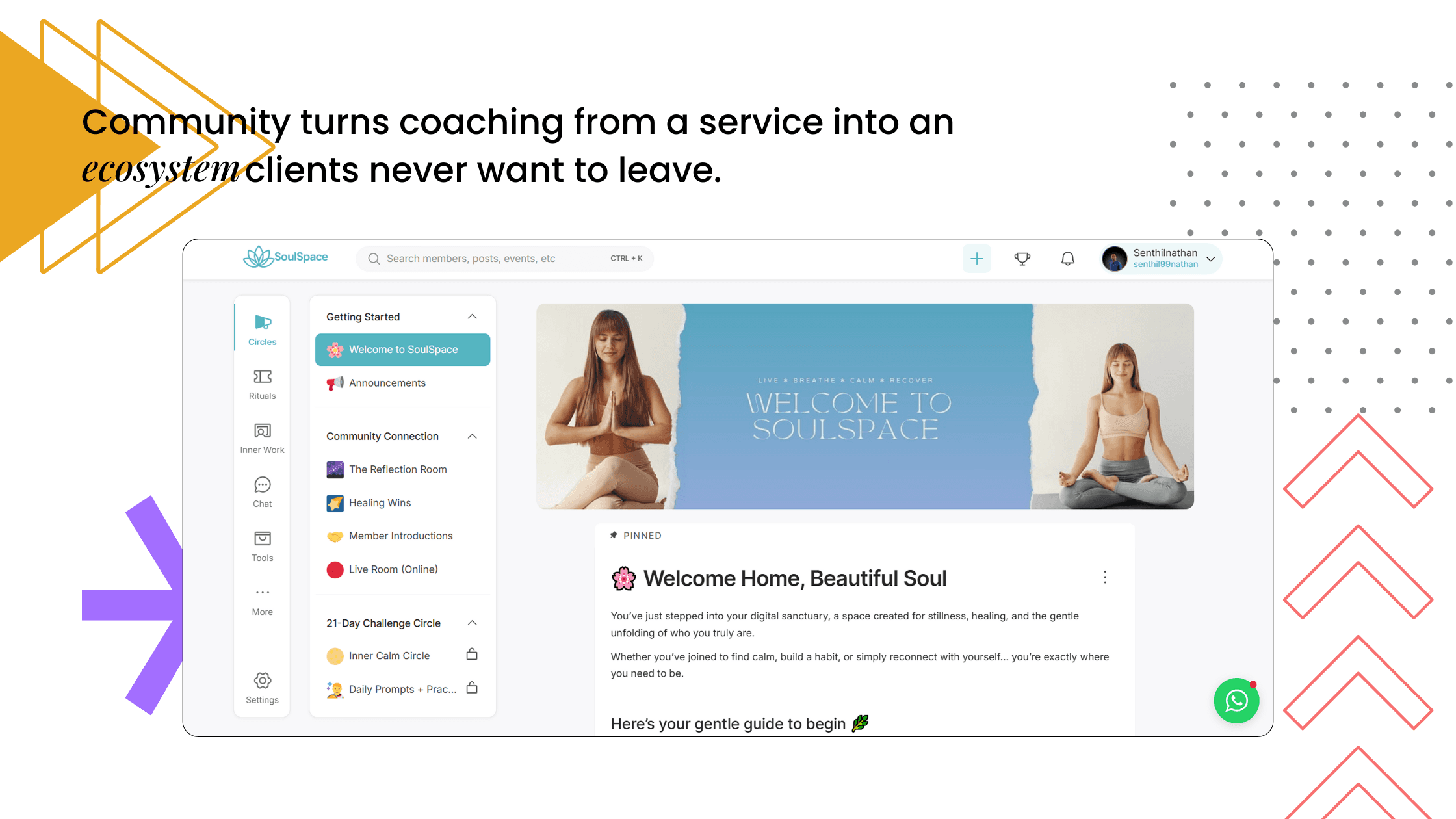
In 2025, the most successful coaching businesses aren’t just programs, they are ecosystems.
A community becomes:
a place where your clients stay connected
a space where transformation deepens
a support system that continues after the program
an environment for accountability
a source of referrals and returning clients
a part of your brand identity
You don’t have to start big. A small, engaged, supportive community is far more powerful than a large, silent one.
When you build a community around your transformation, you’re no longer selling sessions, you’re creating a silent movement.
14.5 Create a Rhythm You Can Maintain (Sustainability Over Hustle)
Burnout is common in coaching. Not because coaches don’t care, but because they try to do everything at once. Sustainable coaches create rhythms, not sprints.
This could look like:
2-3 coaching days per week
specific days for content creation
weekly reflections for yourself
periodic breaks between program cycles
structured onboarding and offboarding
a delivery system that reduces cognitive load
When your weeks feel organized and predictable, your business becomes lighter and more enjoyable.
14.6 Evolve Your Skills as Your Coaching Business Grows
Your skill as a coach shapes your future. The most successful coaches never stop learning. They deepen their understanding of human behavior, communication, emotional intelligence, and transformation frameworks.
This doesn’t mean collecting certificates, it means becoming more:
observant
reflective
curious
structured
emotionally aware
When your skill grows, your confidence grows. When your confidence grows, your business grows.
14.7 Leverage Tools That Support You (Not Overwhelm You)
Tools should reduce chaos, not create it.
As you scale, look for systems that combine:
scheduling
payments
sessions
courses
content
accountability
community
all in one clean ecosystem.
The goal is to remove friction from your coaching, not add more notifications or apps. Coaches who simplify their workflow have more time to actually coach and that’s where the magic happens.
14.8 Your Coaching Business Should Evolve With Your Clients
As your clients grow, you grow with them. As their needs shift, your offer can shift too. As your community deepens, your business can evolve into a brand.
The coaches who stay relevant are the ones who:
listen to feedback
adapt their frameworks
stay curious about client behavior
keep refining their offer
remain connected to their audience
Growth becomes natural when you stay close to your clients.
14.9 The Bottom Line: You’re Building Much More Than a Coaching Business
When you follow a structured path, like the one you’ve built through this guide, you’re not just starting a coaching business. You’re creating something stable, meaningful, and scalable. You’re building a body of work, a transformation that people trust, a community, and a brand that lasts.
Coaching is not simply a profession, it’s a journey of growth, purpose, and impact. And you now have the roadmap to begin that journey with clarity and confidence.
The next step is action.
Start with the transformation you offer with one ideal client, one simple offer, and one real conversation.
Everything else unfolds from there.
Ready for the Next Step in Your Coaching Journey?
You now have the complete roadmap to start your online coaching business in 2025. Your next step is learning how to attract the right clients consistently and turn your coaching into a business that grows with you.
Your next step: Here’s the guide on How to Build a Coaching Business That Attracts Clients (coming soon).
And if you ever want a simple, calm, all-in-one place to run your coaching programs, community, content, payments, and clients, you can explore Wylo anytime.
Explore Wylo (your coaching business hub)
FAQs About Online Coaching Business
1. Do I need a certification to become an online coach in 2025?
No, you don’t legally need a certification to become a coach. Clients hire coaches based on clarity, results, communication, and personal experience not certificates. Certifications help with confidence, not complete authority. What matters most is having a defined transformation, a clear offer, and a structured coaching process.
2. How much money do you need to start an online coaching business?
You can start with almost zero investment if you already have a phone and internet. If you want to look a bit professional, essential costs include scheduling, payments, and a coaching platform. Most new coaches begin with $40-$60/month (₹3000-₹5,000/month), then upgrade tools as they grow. The real investment is time spent on clarity and consistency.
3. How long does it take to get coaching clients?
Most coaches get their first 3-10 clients within 30-90 days when they focus on conversations, clarity calls, and consistent content. It depends on how niche your offer is and how clearly you communicate transformation. Coaches who take action daily typically see faster traction.
4. What niche should I choose for my coaching business?
Choose a niche where three things overlap: your experience, your passion, and a real problem people are actively trying to solve. Niches like wellness, fitness, relationship, mindset, business, and career coaching will continue booming in 2025 and beyond, but specificity always wins over general topics.
5. How do online coaches make money?
Online coaches earn through 1:1 programs, group coaching, workshops, digital products, memberships, community access, and hybrid programs. The most sustainable income comes from structured programs with clear outcomes. As you grow, recorded courses, digital products, and community memberships add recurring revenue.
6. How do I get clients without a big audience?
Focus on conversations, warm circles, simple content, clarity calls, and engaging where your ideal clients already hang out. You don’t need a large audience, just strong messaging and genuine communication. Many successful coaches get fully booked with fewer than 500 followers.
7. Should I build a website before starting coaching?
No. You don’t need a full website to start. A simple landing page, booking link, or a coaching hub is more than enough. Many coaches start with a single page that explains their transformation, program, and booking link and that alone can bring clients.
8. How should I price my coaching program as a beginner?
Start based on the transformation, not your experience level. Most new coaches charge anywhere between $300-$900/month (₹5,000-₹25,000) depending on niche and session frequency. What matters most is clarity in outcome, structure, and support, not the price itself. You can increase pricing after 3-5 successful clients.
9. What tools do online coaches use?
Most coaches use tools for scheduling, payments, content delivery, messaging, and community support. Instead of using 8-10 different apps, many coaches now prefer unified tools (called as community platforms) that combine everything in one place. This reduces chaos and makes client delivery smoother.
10. How many hours do online coaches work?
Most full-time coaches work 15-30 hours a week, depending on number of clients and program structure. A sustainable coaching business usually has 2-3 coaching days and the rest allocated to content, onboarding, and community engagement. The rhythm depends on your goals, energy, and program design.
11. Is coaching saturated in 2025?
No. Coaching is expanding faster than ever because people want personalized guidance, emotional support, and structured transformation. The industry is competitive, but not saturated, especially for coaches with specific niches, clear messaging, and strong frameworks. Depth beats volume.
12. Can I start coaching while having a full-time job?
Yes, and many coaches begin this way. You can start with a small 1:1 program, offer weekend sessions, or run a weekly group program. Once you gain clients and confidence, you can transition into full-time coaching. Starting part-time reduces pressure and improves clarity.
13. How do I deliver coaching sessions online?
Most coaches use video calls, voice notes, chat support, weekly check-ins, and shared trackers. The key is a structured framework, clear expectations, and consistent accountability. You don’t need high production tools, simple, clear communication is enough to deliver great results.
14. What’s the biggest mistake new coaches make?
Trying to be everywhere at once, too many tools, too many niches, too much content, too many offers. The fastest path to growth is clarity: one niche, one problem, one offer, one method of client acquisition. Simplicity builds momentum faster than complexity.
15. What is the most effective way to grow a coaching business long-term?
Focus on three pillars: strong client results, consistent visibility, and a supportive community. When clients transform, they refer others. When you stay visible, new people discover you. And when you build community, your coaching becomes a long-term ecosystem, not a one-time program.

About the author - Omnath
Founder of Wylo, a community platform for coaches, creators, and brands. Omnath helps coaches build structured, scalable, community-driven businesses through simple systems, clear frameworks, and high-quality client experiences.