Coaching business
How to Acquire Clients for a Coaching Business in 2026
Unlock a practical path to get coaching clients online in 2026. This guide breaks down proven funnels, messaging strategies & trust-building content to turn your coaching business into a predictable growth engine.
Contents
Getting coaching clients online is one of the biggest challenges new or early-stage, or sometimes even experienced coaches face. You may already know you’re good at helping people. You may have transformed your own life in a meaningful way. You may even have people commenting, “This really hit me” on your posts.
But when it comes to actually getting paying clients online, things can suddenly feel confusing, overwhelming, or discouraging.
This isn’t because you aren’t qualified. This isn’t because you don’t know enough. And it’s definitely not because other coaches are “better” than you.
It’s because the online world is noisy, and most new coaches try to grow by saying more, posting more, or pushing harder. But online clients don’t come from loudness. They come from clarity. They come from resonance. They come from the quiet spaces where someone feels understood by you in a way they haven’t been understood before.
The good news? You don’t need a big audience, a perfect website, complicated funnels, or hours of content every week to get your first coaching clients online. You only need a simple trust-building rhythm and a clear way to show people the real transformation you help them achieve.
Once that clarity is in place, conversations begin naturally. Clients reach out on their own. And your coaching business starts to move forward without forcing anything.
In this guide, you’ll learn a practical 5-step framework that works in 2025, a simple, honest method used by coaches who don’t want to “act like marketers,” but want to attract clients in a way that feels natural, authentic, and grounded.
You’ll understand what actually gets people to trust you online, how to start meaningful conversations, how to guide someone from “interested” to “ready,” and how to create a space where clients stay longer and refer others.
If you’re still in the process of setting up your coaching business from scratch, creating your offer, or clarifying your niche, you may want to start with the full foundational guide: How to Start an Online Coaching Business (2025 Edition).
Now, let’s begin with the first step, clarifying the transformation you’re really selling.
TL;DR
Getting coaching clients online doesn’t require a big audience, ads, or complicated funnels. What works in 2025 is clarity: a specific transformation, simple trust-building content, and warm conversations with people already engaging with you.
Define your “before → after” result, post stories + insights + proof consistently, move warm leads into low-pressure clarity calls, and hold your clients inside one calm coaching hub. Do this well, and your first 3-10 clients come faster than you expect.
Step 1 - Clarify the Coaching Transformation
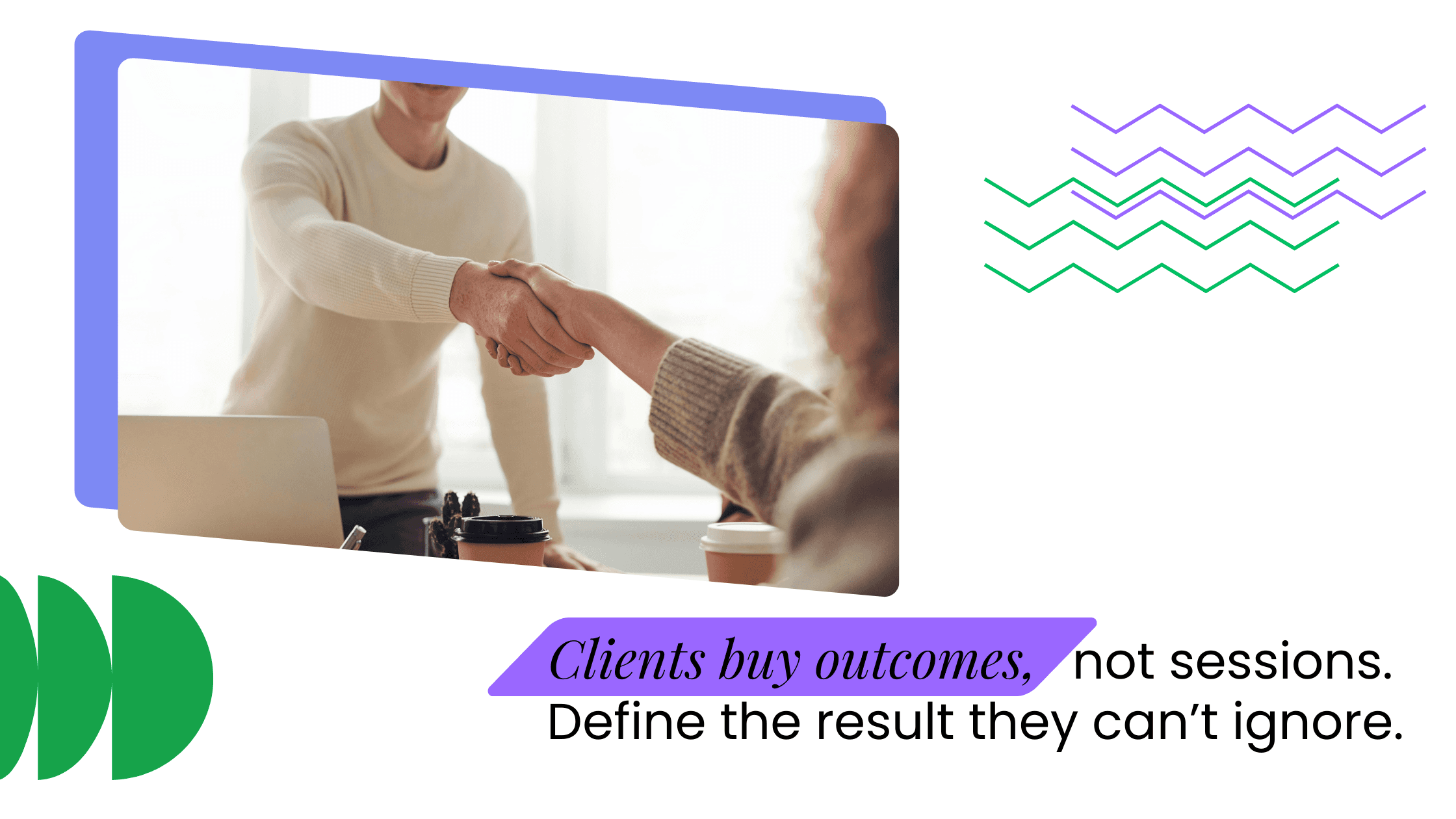
Most new coaches struggle to get clients online for one simple reason: they try to sell “coaching,” but clients aren’t buying coaching at all. They’re buying a before → after. They’re buying the feeling of finally moving forward after months of being stuck. They’re buying clarity, confidence, direction, and momentum, not a set of sessions on Zoom.
When your message online sounds like:
“I help you reach your full potential,”
“I support your growth,”
“I guide you to become your best self,” people scroll past. Not because your work lacks value, but because the outcome isn’t clear. Clarity is what cuts through noise.
A specific transformation is what creates trust. And trust is what leads someone to message you, book a call, or say “I think you’re the coach for me.”
How to Define Your Transformation in One Simple Sentence
Use the Before → After → How format:
“I help [specific person] go from [current struggle] to [clear result] through [your method/tool/container].”
Here are examples across different coaching niches:
Fitness Coach: “I help busy professionals go from inconsistent workouts to a simple, structured fitness routine they can actually follow.”
Mindset Coach: “I help young adults go from a self-doubting and overthinking individual to a confident decision-maker they can trust.”
Career Coach: “I help early-career professionals go from directionless job searches to landing roles aligned with their strengths.”
Notice:
It’s human, not technical.
It’s specific, not vague.
It’s relatable, not aspirational.
This clarity alone can make people stop scrolling, because they suddenly feel seen.
Micro-Positioning Makes You Instantly Trustworthy Online
The fastest way to stand out online isn’t having the best content, it’s having the clearest message.
Micro-positioning means going one layer deeper than your niche:
Not “mindset coach,” but “mindset coach for new managers dealing with imposter syndrome.”
Not “fitness coach,” but “fitness coach for people who hate the gym.”
Not “business coach,” but “business coach for freelancers stuck at the 1-2 client level.”
The more clearly someone sees themselves in your message, the more likely they are to trust you, even if they’ve never met you before.
Pro thoughts: Transformation becomes tangible only when it’s named clearly. Coaches don’t need louder messages, they need clearer ones. When your transformation is defined simply and honestly, your online presence becomes magnetic without trying harder.
Step 2 - Build a Simple Trust Engine, Not Audience
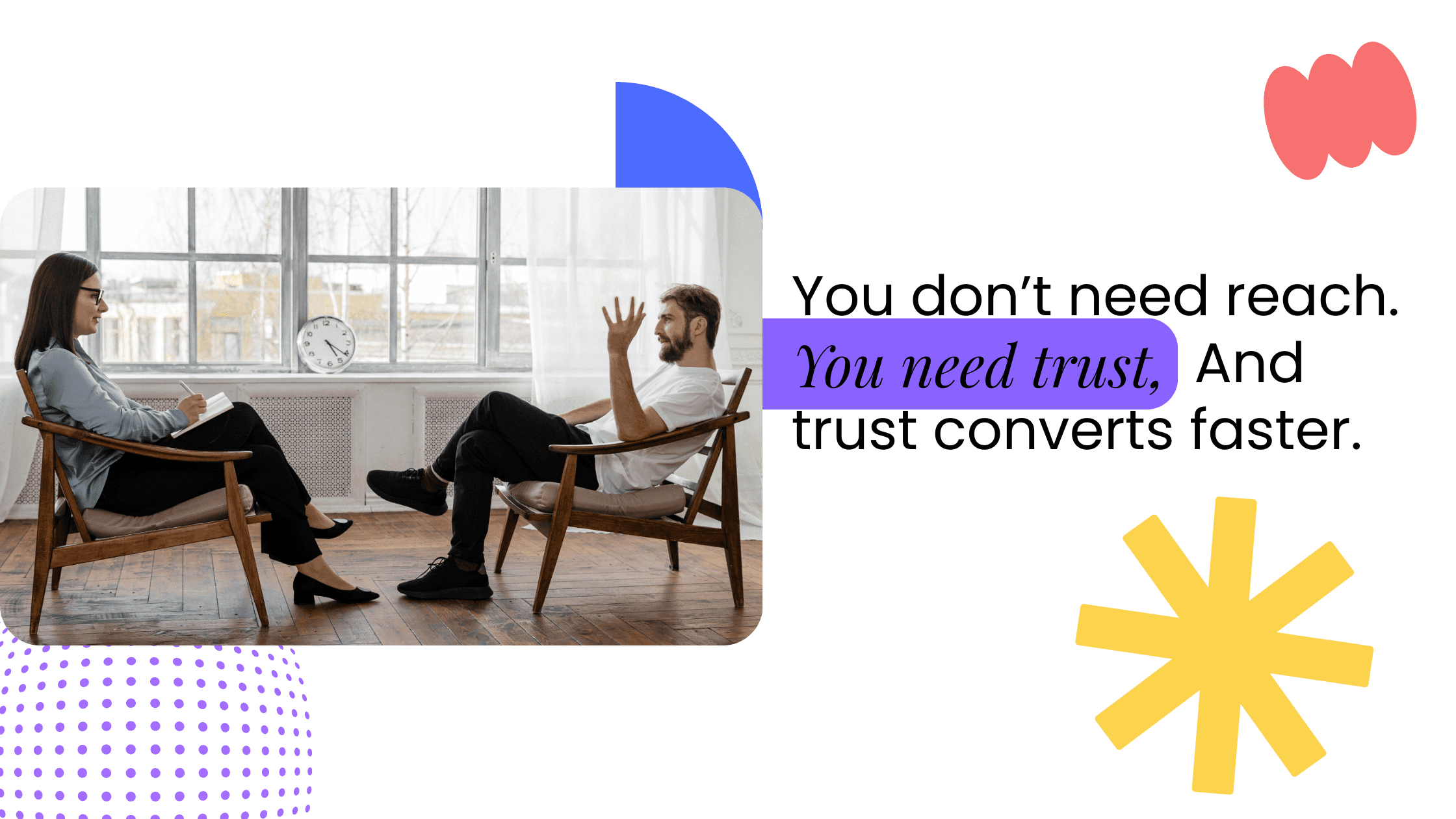
The biggest myth in online coaching is that you need thousands of followers before clients start coming in. In reality, the majority of beginner coaches get their first clients from a small circle of people who already feel connected to them, even if that’s just 30-50 engaged followers.
Clients don’t choose the coach with the biggest audience. They choose the coach who makes them feel understood.
Trust, not reach, is what converts. And trust is built through consistency, not virality.
Here’s where most coaches go wrong: they post randomly, hoping something “takes off.” But trust online is not random, it follows a simple rhythm.
The 3-Part Trust Engine That Works in 2025
Instead of trying to post everything, focus on three types of content that build trust quickly:
1. Story Posts (Connection)
These posts show the human side - your struggles, lessons, insights, or turning points. Story creates safety. Safety creates trust.
2. Insight Posts (Authority)
Short, sharp ideas that make your audience think: “I’ve never heard it put that way.” This signals you understand their world better than they do.
3. Proof Posts (Credibility)
These aren’t “success screenshots.” They can be micro-wins:
A client saying they had a breakthrough
A DM thanking you
Your own progress or realizations
Proof shows the transformation is real.
When these three flow together, people start feeling like:
“This coach gets me.” And that’s when clients begin approaching you.
How Often to Post (A Sustainable 2025 Rhythm)
Most coaches burn out because they try to post daily. You don’t need that.
A simple, sustainable rhythm:
3-4 posts per week
1 story
1-2 insights
1 proof/win
Stories every 1-2 days (These build the deepest trust)
This is enough to stay visible without overwhelming yourself.
Where to Post for Fastest Traction
You don’t need to be everywhere. You just need one or two platforms where:
Your audience already spends time
Conversations feel natural
Content formats feel comfortable to you
Best platforms for new coaches:
Instagram - easiest for stories + DMs and quick reach via reels
LinkedIn - high-intent audience, especially professional niches
YouTube - specifically, Shorts for strong discovery if you like video
Email - even a small list of 50 - 100 people converts well
The right platform is the one you’ll show up on consistently, not the one with the biggest opportunity. That said, it’s always better to use a few platforms in parallel.
If you’d like a full breakdown of audience-building from scratch, read: How to Build an Engaged Audience as a Coach (From Zero to Growth).
Step 3 - Use High-Intent Lead Marketing Channels
Most coaches think clients come from posting more content. In reality, your first 3 - 10 clients almost always come from high-intent interactions, not broad reach.
High-intent means: people who already like you, trust you, or resonate with your message, even a little bit.
These people don’t need convincing. They need clarity and a simple next step.
This step is where you shift from “posting and hoping” to actually generating clients intentionally.
High-Intent Sources (These Bring Clients the Fastest)
These are the people most likely to become paying clients:
Someone who replies to your story
Someone who comments thoughtfully (not just emojis)
Someone who asks you a question in DMs
Someone who repeatedly engages with your posts
Someone who tells you “this really resonated”
A follower you’ve never spoken to, but they watch everything, or share a few content pieces
These are warm leads, your top conversion opportunities.
Most beginner coaches ignore this group because they’re focused on and fooled by audience size. But these few people are your actual pipeline.
The 3 Channels New Coaches Should Master First
You don’t need websites, funnels, automations, or ads. Start with the three most natural, human channels:
1. Instagram DMs
The easiest place to start conversations. People expect it. It feels personal and low pressure.
2. LinkedIn Messages
Especially powerful if your niche is career, business, productivity, leadership, or mindset.
3. Email Replies
If you send even a small weekly email (50-150 subscribers), people who reply are almost always thinking about working with you.
Mastering these three channels alone can build your coaching income initially and consistently.
A Simple DM Framework (Warm, Human, Effective)
This is the script used by coaches who convert clients without sounding “salesy.”
1. Connect
Respond to their message/story/comment with genuine appreciation.
2. Understand
Ask one sincere question that helps you understand their current challenge.
3. Reflect
Mirror back what you’re hearing, people feel seen, not sold to.
4. Invite
Offer a gentle next step only if it feels right.
Example:
“From what you’re sharing, it sounds like you’ve been trying to do this alone for a long time. If you want, we can explore this more deeply on a quick clarity call. No pressure, just a space to understand what’s really going on.”
This works because it’s not a sales language, it’s humane.
Pro thoughts: Clients don’t transform during sessions, they transform between them. A warm, reflective conversation builds more trust than any marketing tactic, because it begins the transformation even before the coaching starts.
Step 4 - Create a Low-Pressure Conversion Path
Most beginner coaches assume they need a full funnel - landing pages, email sequences, calendars, booking tools, sales pages, and so on. But the truth is, your first 3-10 paying clients rarely come from funnels. They come from simple conversations that flow naturally into a call and a low-pressure invitation.
This step is about giving those conversations a structure without making them feel scripted or “salesy.” You’re not persuading people, you’re helping them get enough clarity to decide whether your coaching and support would genuinely help them right now.
A good conversion path doesn’t feel like marketing. It feels like care.
The “Soft Funnel” That Actually Works in 2025
Here’s the simple 4-step path that converts for almost every beginner coach:
1. A Value Post or Story → A DM Conversation
This is where curiosity starts. Someone reacts, replies, or comments. Your job: respond warmly and open a human conversation.
2. DM → A Mini Voice Note or Loom
Instead of long typing (which is still fine), send a 20-40 sec voice note:
Reflect what they said
Share one small insight
Ask one gentle question
This builds massive trust quickly because it’s personal.
3. Mini Loom → A Clarity Call
Invite them into a low-pressure call: “Happy to dive deeper into this with you. We can use the call to get clear on what’s really keeping you stuck and what your next steps could be. No expectations.”
4. Clarity Call → Soft Invitation
Not a pitch. Not a sales script. A simple offer:
“If you’d like support with this, here’s what working together could look like.”
This feels genuine because the call wasn’t set up as a sales call, it was a space to help them think.
A Simple Clarity-Call Script That Doesn’t Feel Like Selling
Use these four questions:
“What’s the main challenge you’re facing right now?”
Gets them to open up.“How long has this been going on?”
Shows depth and pattern.“What have you already tried?”
Reveals what’s working and what isn’t.“What would change for you if this was no longer a problem?”
Unlocks desire, emotion, and the real outcome.
Once they articulate their own transformation, your offer becomes the logical next step, not a pitch.
What to Offer as Your First Paid Coaching Product
To keep things simple and convert easier:
Choose a 4-6 week starter program
Price it at a “beta-level” accessible rate
Focus on one transformation
Keep the delivery simple:
1 call per week
Simple weekly check-ins
Messaging support
This structure is easy for clients to say yes to and easy for you to deliver without burnout.
If you want help choosing the right pricing for your starter program, here’s a deeper breakdown: How to Price Your Coaching Programs Confidently.
If you want to go deeper into creating offers people actively want and learn how to make clients come to you, read this: How to Build a Coaching Business That Attracts Clients (Coming soon).
Step 5 - Convert Clients into Referrals & Community
Getting clients isn’t the hard part; keeping them, supporting them deeply, and turning them into long-term advocates are. They are the silent pillars that actually grow a coaching business sustainably. Most beginner coaches focus entirely on acquisition, but the real stability comes from retention and referrals.
When a client feels supported, seen, and guided consistently, something powerful happens: they stay longer, they get better results, and they naturally tell others about you. This is how coaching businesses quietly scale without constant posting or lead generation.
Your goal isn’t just to “get clients online.” Your goal is to build a rhythm where clients stay, grow, and bring more clients with them.
Why Retention Is the Easiest Path to Growth
Retention is easier than acquiring new clients because:
Clients already trust you
They’ve already seen progress
They’re emotionally invested
They don’t want to start over with someone else
And here’s the truth: A retained client is worth 3-5 new clients in revenue.
Long-term clients create stability. Referrals create growth.
Together, they build momentum.
A Simple Retention System You Can Implement Today
You don’t need complex “client portals” or hundreds of worksheets. You only need a structure that keeps clients engaged between sessions.
Here’s the simplest system:
1. Weekly Touchpoint
A short message or voice note to check in:
“How did this week feel for you?”
“What was your biggest win or challenge?”
This alone increases retention dramatically.
2. Wins Tracking
A place where clients share small wins, even tiny ones. This reinforces progress, builds confidence, and keeps motivation high.
3. Reflection Prompt Every Week
One question that deepens awareness:
“What did you learn about yourself this week?”
“What habit felt easier than last week?”
Simple, powerful, and creates momentum.
4. An Accountability Space
A place to share commitments and follow through. Humans perform better when someone else is watching with care. All of this helps clients feel supported between calls, which is where real transformation happens.
Why Coaching Community Multiplies Clients Naturally
A well-held community space attracts new clients:
Feel less alone
Share progress publicly
Celebrate each other
Build emotional safety
Stay longer
Invite people in
A client who joins a coaching community converts faster, stays longer, and refers more, because they feel like they’re part of something meaningful.
Working with other humans who share similar goals amplifies commitment, connection, and confidence. This is why community-supported coaching is becoming the new standard.
If you eventually want to turn your coaching into a course or hybrid program, this guide will help you get started: How to Create & Sell Your First Online Course.
Bonus - Common Mistakes New Coaches Make
Getting coaching clients online isn’t complicated, but most beginners unknowingly make choices that slow everything down. These mistakes don’t mean you’re doing anything “wrong”; they simply mean you’re following what you think works, not what actually works.
Avoiding these mistakes alone can speed up client acquisition more than any tactic or tool.
Mistake #1 - Posting Daily but Saying Nothing Clear
More content isn’t better content. If someone can’t understand your transformation in 5 seconds, they won’t reach out. Clarity beats volume every single time.
Mistake #2 - Trying to Look “Expert” Instead of Being Human
People don’t hire perfect coaches. They hire relatable ones. Your stories, struggles, and experiences build far more trust than expert-sounding jargon.
Mistake #3 - Waiting for the Perfect Website, Funnel, or Brand
Coaches delay action for months creating logos, colors, or funnels. Your first clients come from conversations, not aesthetics. Momentum creates clarity, not the other way around.
Mistake #4 - Overthinking DMs and Avoiding Invitations
Many coaches wait for people to magically message them. But most clients need a gentle nudge, not a pitch. A simple: “Want to explore this together?” is often all it takes.
Mistake #5 - Talking About Features Instead of Outcomes
“6 sessions + worksheets + WhatsApp access” does not sell.
“Simplify your routine,” “feel confident,” “stop spiraling,” “lose weight without burnout”, these do.
Focus on results, not logistics.
Mistake #6 - Switching Niches Every Week
Each pivot resets your trust-building timeline. Pick one transformation and go deep, not wide.
Mistake #7 - Trying to Get Clients Alone
Coaches forget the one thing they teach everyone else: humans grow faster with support. A community or mentor accelerates every part of your growth.
FAQs About Getting Coaching Clients Online
1: How long does it take to get coaching clients online?
It depends on two things: how clear your transformation is, and how consistent you are with trust-building. Coaches with a clear niche and simple posting rhythm often get their first few clients within 30-60 days. Coaches who keep changing direction or overthinking content tend to take longer. The key is consistency, not speed.
2: Can I get clients without certification?
Yes and this is extremely common. Clients care far more about your ability to help them achieve a specific outcome than about a certificate on your wall. If you’ve lived the transformation yourself, or helped even a few people before, that experience is often more valuable than formal credentials.
3: Can I get clients if I have a very small audience?
Absolutely. Most coaches get their first 3 - 10 clients from less than 100 engaged followers. You don’t need reach, you need resonance. Small audiences tend to convert faster because the connection feels more personal.
4: Which platform is best for getting coaching clients?
There is no single “best” platform, the best one is the one you can show up on consistently and where your audiences are. However, these typically convert fastest:
Instagram: for reels + story + DM based coaching niches
LinkedIn: for professional or mindset niches
YouTube Shorts: for coaches who enjoy video.
Choose 1-2 platforms and commit for 8-12 weeks.
5: What’s the simplest coaching offer I can start with?
A 4-6 week starter program works best:
1 call per week
Simple goals
Weekly check-ins
Light messaging support
It’s low-pressure for clients and easy for you to deliver while you’re learning what your clients need most.
6: Where should I host my coaching clients?
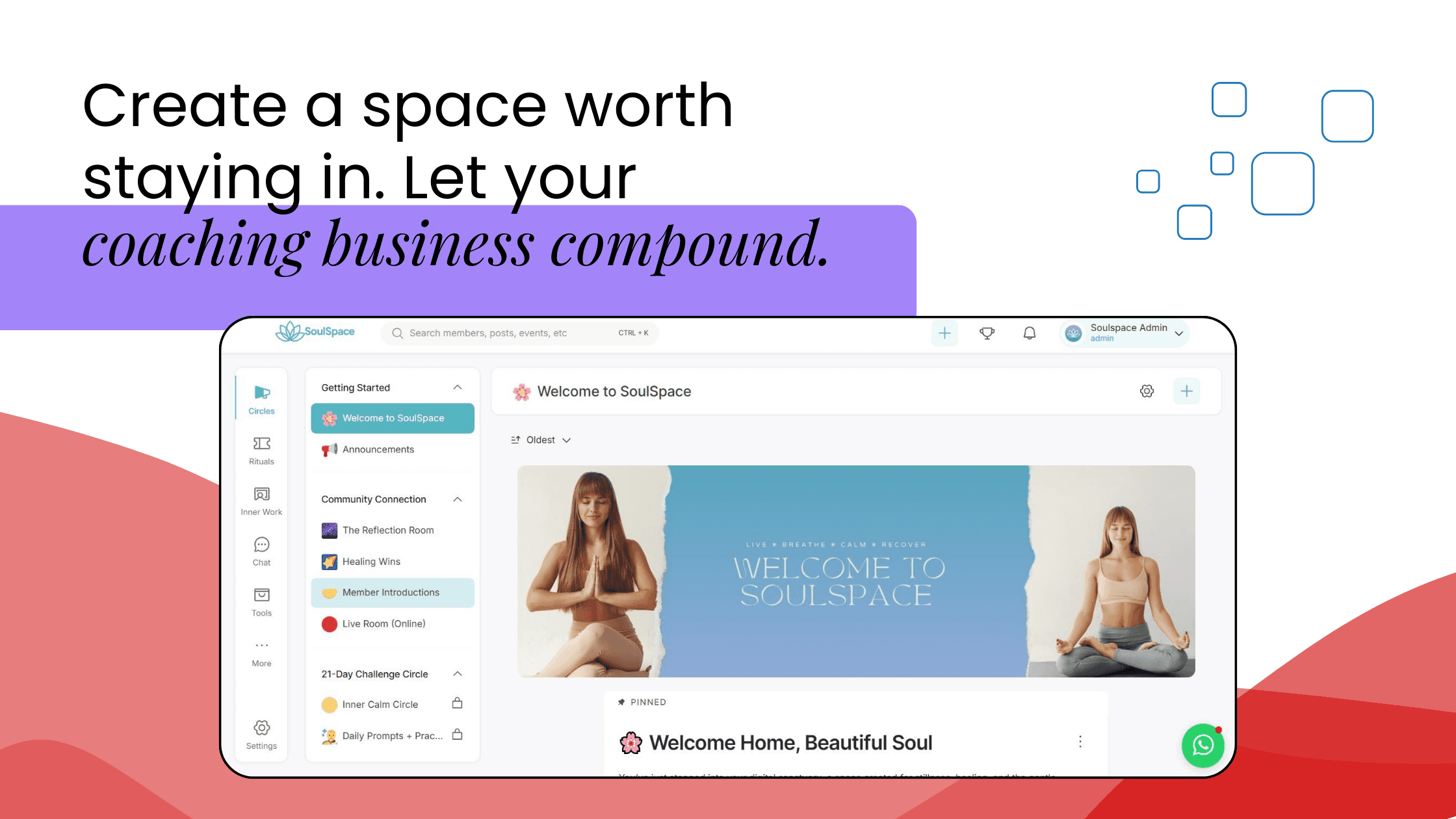
You don’t need multiple tools. A simple, branded coaching hub works best because clients stay more engaged when everything is in one place. This is why many coaches move to Wylo - it gives you a clean, distraction-free space for sessions, check-ins, resources, community, and client support, all under your brand.
Final Thoughts, Getting Clients is About Clarity
Getting coaching clients online becomes dramatically easier the moment you stop doing everything and start doing the right things consistently.
You don’t need dozens of funnels. You don’t need fancy landing pages. You don’t need a huge audience.
You need:
A clear transformation
A simple way for clients to trust you
A repeatable process for conversations
A safe space to hold your clients once they start working with you
When these pieces are in place, client attraction shifts from “How do I get people to notice me?” to “How do I create an environment where the right people naturally move closer?”
That’s the real difference between coaches who constantly chase clients and coaches who stay fully booked.
And the good news? You can start with exactly what you have today: your voice, clarity, lived experience, and willingness to show up consistently for the people who already resonate with you.
Next Steps - Build a Community Clients Want to Join
If you want to simplify your process and create a professional, distraction-free home for your coaching clients, you don’t need multiple tools or complicated setups.
A single, calm coaching hub helps you:
Look more credible
Deliver results more consistently
Hold clients in one seamless experience
Build a community people want to stay in
This is exactly why many coaches choose to run their programs inside Wylo - a clean, branded coaching space built for depth, reflection, and long-term client success.
If you’re ready to set up your coaching space in a way that feels organized, aligned, and easy to manage: Create your coaching hub with Wylo (free setup available).

About the Author - Omnath
Founder of Wylo, a highly comprehensive and customizable community platform for coaches, brands, and creators. Omnath helps coaches build structured, scalable, community-driven businesses through simple systems, clear frameworks, and high-quality client experiences.