Coaching business
How to Position Your Coaching Business to Attract the Right Clients
Strong positioning is what separates a thriving coaching business from a struggling one. This practical guide helps you clearly define your coaching offer, communicate your value, and convert clients without lowering your prices.

Contents
If you’re trying to position your coaching offer but clients still hesitate, compare you to others, or say “let me think about it,” the problem might not be your price, credentials, or content quality.
It could be how the decision looks from the client’s side.
Most coaches assume positioning is a branding problem - logos, bios, or clever wording. In reality, positioning is a decision problem. When someone lands on your profile or offer page, they subconsciously ask:
“Why should I choose this coach over the others I’m considering?”
If the answer isn’t immediately clear, clients don’t reject you; they delay, compare, or disappear.
This is why many capable coaches struggle to attract consistent clients even after doing “everything right”: posting content, refining their niche, and building an audience. Without strong positioning, your offer blends into the market instead of standing apart.
In How to Build a Coaching Business That Attracts Clients, we explained how clarity, messaging, and systems create demand. This article zooms in on one critical piece of that system: how to position your coaching offer so clients choose you without hesitation or comparison.
You’ll learn how to shift from sounding “similar but good” to becoming the obvious choice, without lowering prices, adding more features, or chasing trends.
TL;DR
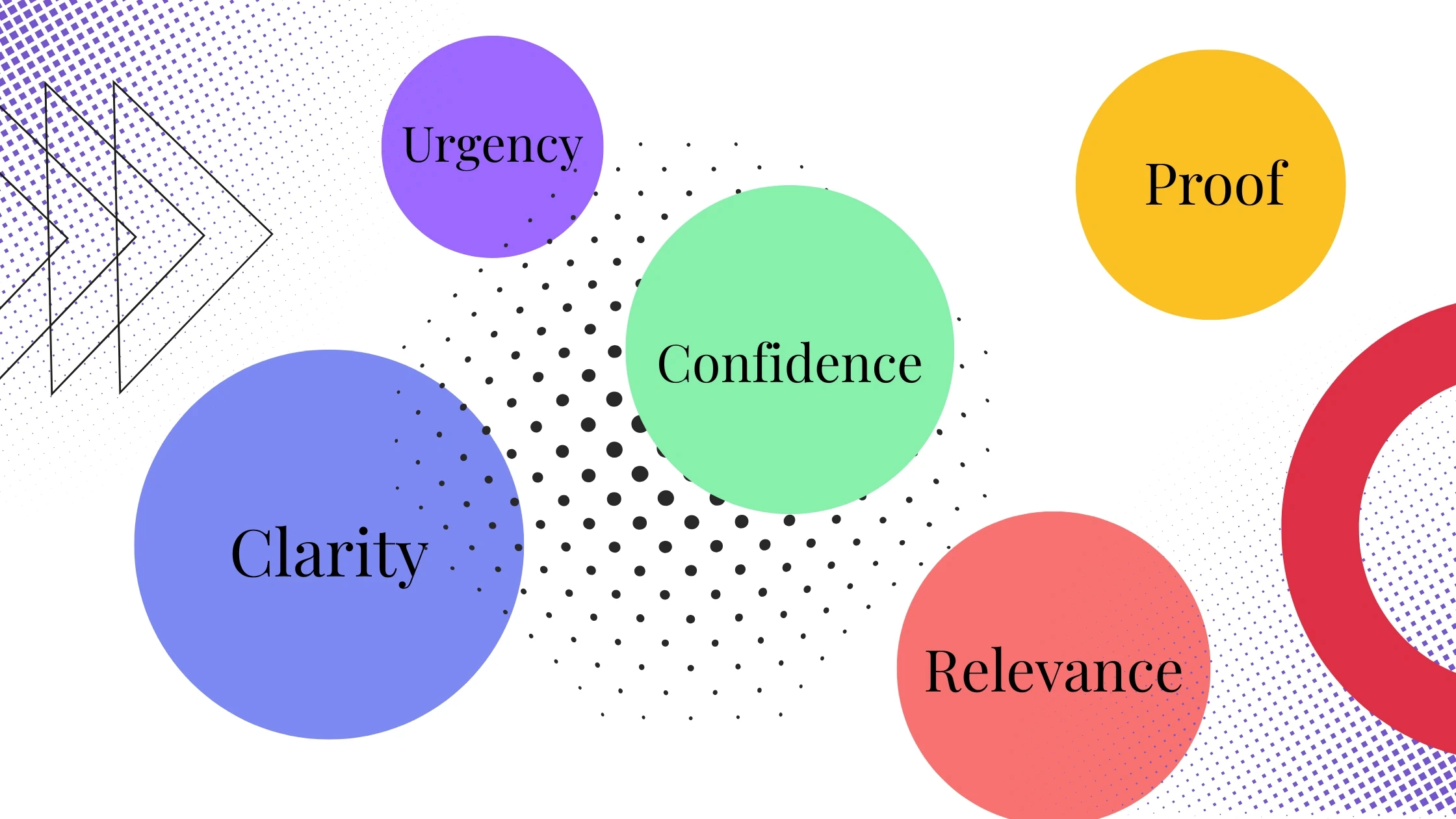
Clients don’t choose coaches based on effort or expertise; they choose based on clarity and confidence
Positioning is not branding or messaging; it’s how easy you make the buying decision
If clients compare you to others, your offer isn’t positioned strongly enough
Strong coaching offer positioning removes hesitation before price even matters
The goal is not to look better than others, but to look different in a meaningful way
When positioning is clear, marketing works better, and sales feel natural
This guide shows how to position your coaching offer so that ideal clients choose you quickly and confidently
What Does Positioning Mean in Coaching?

When people search for what positioning is in a coaching offer or coaching business, they’re usually not looking for marketing theory. They’re trying to understand why clients see them, like them, and still don’t choose them.
Positioning is the reason a client chooses you without needing to compare. Not because you’re louder. Not because your bio is polished. Not because you listed more credentials.
But because, in the client’s mind, the decision feels settled.
From the buyer’s perspective, positioning doesn’t live in your brand assets or your content calendar. It lives in a single internal moment: “This coach fits my problem better than the others.”
That moment is what strong coaching business positioning creates. Positioning lives in the client’s decision logic.
Clients don’t sit down and “evaluate coaches” the way businesses evaluate software. They don’t score you on experience, certifications, or how many posts you publish.
They are looking for certainty.
Certainty that:
You understand their specific situation
Your approach fits their problem
Your outcome feels realistic and relevant
Choosing you won’t be a mistake
Positioning is what collapses uncertainty.
If your positioning is weak, clients do one of three things:
Compare you with others
Delay the decision
Say “I’ll think about it.”
If your positioning is strong, clients don’t rush, but they also don’t wander. The choice feels obvious enough to move forward.
What positioning is NOT (this is where most coaches get it wrong)
Positioning is not your brand colors, logo, or visual identity. Those help with recognition, not decisions.
Positioning is not your niche by itself. Two coaches can serve the same niche and still be positioned very differently in the client’s mind.
Positioning is not your personality, tone, or “vibe.” Being relatable helps trust, but it doesn’t resolve indecision.
Positioning is not your credentials or certifications. Clients rarely choose coaches because of qualifications alone; they choose based on perceived fit.
And positioning is not just your messaging. Messaging communicates positioning, but it cannot create it if the underlying decision logic isn’t clear.
The simplest way to think about coaching positioning: If a client had to explain why they chose you to a friend, could they say it in one clear sentence?
Not:
“They seemed nice.”
“I liked their content.”
“They had a good offer.”
But something like:
“They specialize in exactly what I’m dealing with.”
“Their method matched how I think.”
“They solved this problem in a way that finally made sense to me.”
That explanation is your positioning, whether you’ve defined it intentionally or not. Strong positioning doesn’t make you louder in the market. It makes the decision easier.
And once the decision feels easy, pricing, platforms, and posting frequency stop being the bottleneck.
Why Clients Don’t Choose You (Even If You’re Good)

If you’ve ever wondered why clients don’t buy coaching or caught yourself asking “why isn’t my coaching offer converting?”, this section matters more than any tactic you’ll try later.
Because most coaches aren’t losing clients due to a lack of skill. They’re losing them because the decision feels unclear. And when a decision feels unclear, people don’t say no. They say, “Let me think about it.”
Most coaching offers feel “the same” to buyers
From the client’s side, many coaching offers blur together. Not because coaches are copying each other, but because the difference isn’t obvious at decision time.
To a potential client, these offers sound identical:
“12-week coaching program”
“Weekly calls + support”
“Personalized guidance”
“Accountability and mindset work”
Even when the coach behind the offer is genuinely good, the structure and framing don’t signal why this offer is the right choice for them. When everything sounds similar, clients default to comparison or avoidance.
Being helpful does not make you chosen
One of the most frustrating realities in coaching is this: You can be incredibly helpful and still not get clients.
Why? Because helpfulness builds appreciation, not certainty.
Clients may think:
“This is good advice.”
“They know their stuff.”
“I like their content.”
But liking and learning don’t automatically lead to hiring.
People choose coaches when they feel:
understood at a specific level
confident that the approach fits their situation
safe committing time, money, and trust
Helpfulness without clarity keeps people engaged, but uncommitted.
Confidence without clarity doesn’t convert
Many coaches are confident. They show up consistently, speak with authority, and clearly care about their work.
But confidence alone doesn’t answer the buyer’s real questions:
Is this for someone like me?
Will this actually solve my problem?
Why should I choose this now instead of later?
From the client’s perspective, confidence without clarity can even increase hesitation. It feels like energy without direction.
Clients don’t want motivation. They want direction they can trust.
Why clients say “let me think about it”
When someone says “I’ll think about it,” they’re rarely questioning your ability.
They’re questioning the decision.
This usually means the:
outcome isn’t concrete enough
path feels vague
offer doesn’t clearly match their problem
risk feels higher than the certainty
In other words, they don’t feel ready to decide, not because they don’t want help, but because the positioning didn’t remove doubt.
The real issue: uncertainty, not rejection
Here’s the most important reframe:
Clients aren’t rejecting you. They’re avoiding uncertainty.
Uncertainty about:
What exactly will change
How the process works
Whether this is the right solution for them
Whether choosing you is a safe decision
Until that uncertainty is resolved, even interested clients pause. That’s why fixing positioning isn’t about louder marketing, better visuals, or more content. It’s about reducing decision friction, so choosing you feels clear, not risky.
In the next sections, we’ll break down how positioning actually removes that uncertainty and why the right positioning makes clients choose you without needing persuasion.
Coaching Niche vs Messaging vs Positioning
If you’ve ever asked yourself “do I need a niche or positioning?” or felt confused about coaching business messaging, you’re not alone. This is one of the most misunderstood areas in coaching businesses and it’s exactly where many good coaches get stuck.
The confusion happens because niche, messaging, and positioning are often used interchangeably. They are related, but they do very different jobs in how clients decide.
Let’s separate them clearly, from the buyer’s point of view.
Niche = who you help
Your niche defines who the coaching is for. It answers questions like:
Who is this relevant to?
Who should pay attention?
Who is this not for?
For example, a niche might be: “Early-stage founders who feel overwhelmed running their business.”
Having a niche gives your work direction. It narrows the audience so the right people can recognize themselves.
If your niche is still broad and your offer feels “generic,” start here: How to Define Your Coaching Niche and Stand Out.
But here’s the critical part many coaches miss: You can have a clear niche and still struggle to get clients. Because knowing who it’s for does not automatically explain why they should choose you.
Messaging = what you say
Messaging is how you communicate with your audience. It shows up in your:
posts
website copy
emails
and how you explain your work in conversations
Good messaging helps people understand:
the problem you talk about
your beliefs and perspective
the transformation you focus on
Using the same example, messaging might sound like: “Most founders aren’t stuck because they lack ideas, they’re stuck because everything feels urgent and nothing feels clear.”
Strong messaging creates resonance. People feel seen. They think, “This person gets it.”
But even strong messaging has a limit. You can have good messaging and still hear:
“This makes sense, but I’m not sure yet.”
“Let me think about it.”
“I like your content, I’m just not ready.”
Because resonance alone doesn’t always create a decision.
Positioning = why you’re the obvious choice
Positioning is the reason someone chooses you without needing to compare. This is the part that lives entirely in the client’s decision logic.
Positioning answers:
Why this coach?
Why this approach?
Why now?
Why is this safer or clearer than the alternatives?
Using the same example, positioning might look like: “I help early-stage founders reduce overwhelm by installing a simple decision-making system they can use daily, so clarity becomes repeatable, not emotional.”
Notice what changed. The niche didn’t change. The messaging style didn’t radically change.
But now the client can see:
a specific outcome
a specific mechanism
a reason this approach is different
a clearer path from problem → solution
That’s positioning.
Why this distinction matters for getting clients
This is where most coaching businesses quietly break:
You can have a niche and still be poorly positioned.
You can have good messaging and still not be chosen.
You can be talented, experienced, and consistent and still feel invisible.
Because clients don’t evaluate coaches like marketers do. They don’t compare features, credentials, or content quality.
They subconsciously ask: “Which option feels clearest and safest for my situation?”
Positioning is the filter they use to answer that question. It reduces uncertainty. It removes the need to “think about it.” It turns interest into a decision.
That’s why positioning is not a branding exercise and not a copywriting trick. It’s the structural layer that determines whether your niche and messaging actually convert into clients.
In the next section, we’ll break down what strong coaching positioning looks like in practice and how it shifts client behavior without you needing to sell harder.
How Clients Actually Choose a Coach

If you’ve ever wondered why clients choose one coach over another, especially when the coaches seem equally qualified, the answer isn’t just strategy, pricing, or personality. It’s decision psychology.
Clients don’t sit down and objectively compare coaches. They don’t score credentials or evaluate frameworks side by side. What actually happens is quieter, faster, and mostly subconscious. Understanding this is how you learn how to make clients choose you, without sounding salesy or trying to be louder than everyone else.
The invisible questions clients ask (but never say out loud)
Before a discovery call is booked, before a DM is sent, before someone clicks “learn more,” clients are running an internal checklist. It’s not logical. It’s emotional and protective.
Questions like:
Do they understand my exact situation, or just the category I’m in?
Will this actually work for someone like me?
Do they seem clear or are they figuring it out as they go?
What are the chances that their coaching would work for me?
Do I feel calmer or more uncertain after reading their content?
Notice what’s missing here.
They’re not asking:
How many certifications do you have?
How many years have you been coaching?
How polished is your brand?
Those things only matter after trust is formed, if at all.
How trust forms before the call even happens
Most coaches think trust is built on the call. In reality, trust forms before the call, sometimes weeks earlier.
It forms when a client repeatedly experiences:
accurate self-recognition (“That’s exactly what I’m dealing with”)
consistent explanations that make sense of their confusion
a calm, structured way of framing problems and solutions
a sense that this coach has seen this situation before
By the time someone books a call, they’re often not deciding if they trust you. They’re deciding whether they’re ready. This is why two coaches can offer the same call, the same price, and the same promise, and only one gets chosen.
Why similarity kills decisions
When multiple coaches sound similar, clients don’t choose the “best” one. They choose none and leave the decision for later.
Similarity increases cognitive load. It forces the client to compare, evaluate, and guess. And when people feel uncertain, they default to inaction.
This is why:
Generic advice feels helpful but forgettable
Motivational content gets likes, but not clients
Being “relatable” without being specific stalls decisions
From the client’s perspective, similarity feels risky: “If they all say the same thing, how do I know which one will work?”. No decision feels safer than the wrong decision.
Why clarity beats charisma every time
Charisma creates attention. Clarity makes decisions. Clients don’t choose the most energetic coach. They choose the coach who:
explains the problem in a way that reduces anxiety
names a path that feels understandable and repeatable
communicates what happens after they say yes
makes the process feel less chaotic than their current state
Clarity signals competence. It tells the client: “This person has thought this through. I won’t be guessing.” That feeling of safety is far more persuasive than confidence alone.
The real decision sequence clients follow
Across coaching niches, buyer behavior follows the same internal sequence: Recognition → Belief → Safety → Decision
Here’s what that actually means:
Recognition
The client sees themselves clearly in your explanation. Not vaguely, specifically.
Belief
They start believing your way of framing the problem makes sense. Your perspective feels grounded, not generic.
Safety
They feel emotionally safe trusting your process. Not because it’s perfect, but because it feels structured and familiar.
Decision
Only then does price, timing, and logistics matter.
Most coaches try to force decisions without building safety. Strong positioning builds safety first, so the decision feels natural.
This is why clients don’t choose coaches who are “bad.” They choose coaches who make the decision feel easier.
In the next section, we’ll connect this decision lens back to your offer and show why even strong offers fail when positioning doesn’t reduce uncertainty.
5 Elements of a Strongly Positioned Coaching Offer
Strong coaching offer positioning is not about adding more features or rewriting your sales page. It’s about removing ambiguity from the buyer’s mind. When positioning is clear, clients don’t ask, “Is this right for me?”, they ask, “How do I start?”
These five elements work together as a decision lens. Miss one, and your offer feels uncertain. Get all five right, and your coaching offer differentiation happens naturally, without comparison or pressure.
1. A Clear Transformation (Not a Vague Promise)
Clients don’t buy potential. They buy promise. A strongly positioned offer makes the journey from Point A to Point B unmistakably clear. Not just what changes, but how life feels different once the transformation happens.
The strongest offers describe both the practical shift (what changes in behavior, results, or second-order outcomes) and the emotional shift (what feels lighter, calmer, more controlled, or more confident). When clients can picture themselves on the other side in both aspects, the decision stops feeling risky and starts feeling logical.
2. A Specific Problem You Solve Better Than Others
Positioning strengthens when your offer is clearly better for someone, not for everyone. Clients don’t look for broad capability, they look for relevance. The more precisely you define the problem you solve, the easier it is for the right clients to self-select.
This doesn’t mean your expertise is narrow. It means your offer speaks directly to a recurring pattern you understand deeply. When clients feel, “This was built for my situation,” comparison fades because relevance outweighs alternatives.
3. A Distinct Point of View (POV)
Every well-positioned coaching offer stands on a belief. Not a slogan, but a clear stance about what actually works and what doesn’t. Your POV is the lens through which you interpret the client’s problem and guide them forward.
Clients are drawn to coaches who challenge the assumptions that kept them stuck. When your offer reflects a belief they haven’t articulated yet, but instantly recognize as true, you stop sounding like advice and start sounding like clarity.
4. A Visible Method or Process
Uncertainty kills decisions. A visible method reduces it. When clients can see a structured process, even a simple one, they stop worrying about how results will happen and start trusting that they will.
This doesn’t require complexity. A named framework, a phased journey, or a clearly defined process signals predictability. Predictability builds trust, and trust is what turns interest into commitment.
5. A Confident Category
The strongest coaching offers don’t compete inside crowded categories, they redefine the frame. When you clearly state what kind of coaching this is and why it exists, clients stop comparing you to every other coach they’ve seen.
A confident category gives your offer context. It tells clients where you fit, what you stand for, and why alternatives are irrelevant. Instead of evaluating options, they recognize alignment and that recognition is what drives the decision.
Together, these five elements don’t instruct clients to choose you. They make choosing you feel obvious.
Coaching Offer Differentiation

Real coaching offer differentiation doesn’t come from shouting more on social media or lowering your price to “stand out.” That approach only attracts hesitation, not commitment. When clients are comparing coaches, volume and discounts increase uncertainty instead of resolving it.
The truth is simple: differentiation is not about being different for attention. It’s about being clear for decision-making. Clients don’t reward novelty. They reward certainty.
Many coaches try to differentiate with surface-level tactics, new program names, creative hooks, or promises of being “fully personalized.” None of these work long-term because they don’t change how a buyer evaluates risk. Personalization is expected. Customization is assumed. Neither explains why your approach works or why it’s the right one for them.
How to differentiate your coaching offer in a way that actually converts comes down to three anchors working together: outcome, method, and point of view.
Outcome must be unmistakable:
Not aspirational, not inspirational, specific. When clients clearly understand what changes in their life or business after working with you, comparison loses relevance. Ambiguous outcomes invite comparison. Clear outcomes eliminate it.
Method must be visible:
Clients trust coaches who can articulate how transformation happens, not just that it does. A defined process reduces perceived risk because it makes results feel repeatable, not accidental. This is where most offers collapse, they rely on personality instead of structure.
Your POV must guide the entire offer:
A strong point of view reframes the client’s problem in a way they haven’t considered before. It explains why other approaches haven’t worked and why yours will. When your POV resonates, clients stop asking, “Is this better than others?” and start thinking, “This finally makes sense.”
A few examples, kept intentionally simple:
A productivity coach doesn’t differentiate by offering “1:1 support,” but by positioning their method around energy regulation instead of time management.
A business coach stands out not by adding more sessions, but by challenging the belief that growth comes from more leads rather than clearer offers.
A wellness coach differentiates by anchoring results in habit architecture instead of motivation or discipline.
None of these are louder. None are cheaper. They’re clearer. That’s the core of sustainable coaching offer differentiation: not adding noise, but removing doubt.
Coaching Positioning in Your Content & Conversations

Strong positioning is useless if it lives only in your head. It must show up consistently in how you write, speak, invite, and respond. This is where coaching offer messaging turns into real demand and where many coaches quietly lose conversions without realizing why.
Positioning doesn’t live in a brand deck. It lives in repetition.
How Positioning Shows Up in Content
Your content is not meant to educate everyone. It’s meant to signal who this is for and why your approach is the right one.
If you want a deeper breakdown of what to post so your positioning creates inbound demand, read Content Marketing for Coaches: How to Use Content to Attract Ideal Clients
Well-positioned content does three things repeatedly:
It explains the problem more clearly than the client can.
It reframes why their current approach isn’t working.
It anchors belief in your method and outcome.
This means your posts, blogs, and videos should consistently point to the same transformation, the same tension, and the same belief. When your positioning is strong, different pieces of content feel connected, even if the formats change. To the right reader, it feels like you’re continuing a single conversation over time.
That’s how recognition forms. And recognition precedes trust.
Creativity helps content get noticed. Positioning helps it get remembered.
How Positioning Shows Up in Bios, CTAs, and DMs
Most bios fail because they describe who the coach is, not why the client should choose them. A positioned bio makes a clear promise and sets a clear category. It answers, in one glance: “What do you help with, and how is it different?”
Your calls to action should do the same. Generic CTAs like “DM me if interested” don’t work because they create uncertainty.
If you want a simple, non-salesy path that turns interest into conversations consistently, see How to Build a Sales Funnel Using a Coaching Community.
Positioned CTAs reduce friction by anchoring to the transformation or belief you’re known for. They feel like the next logical step, not a sales move.
In conversations, especially DMs, positioning shows up in how you respond. Coaches with weak positioning ask too many exploratory questions. Coaches with strong positioning reflect clarity back to the client. They name patterns. They reference outcomes. They guide the conversation with confidence because they know exactly what they help with and what they don’t.
This is where coaching marketing messaging quietly does the heavy lifting. Not persuasion. Alignment.
Why Repetition Matters More Than Creativity
Clients don’t decide in one moment. They decide after exposure, reinforcement, and familiarity. If your positioning changes week to week, new angles, new promises, new language, clients feel unstable, even if they can’t explain why.
Repetition builds safety.
When the same message shows up across content, bio, CTAs, emails, and conversations, clients start trusting the consistency more than the cleverness. They begin to feel that you’re grounded, experienced, and clear. That feeling reduces decision effort and easier decisions convert faster.
This is how positioning connects directly to outcomes:
Client attraction improves because the right people recognize themselves faster.
Lead quality increases because unaligned prospects filter themselves out.
Conversion becomes easier because conversations start from clarity, not confusion.
Positioning makes choosing you simpler. And in coaching, simplicity is what clients are really paying for.
Signs Your Coaching Offer Is Well Positioned

A well-positioned coaching offer doesn’t need aggressive selling, constant persuasion, or endless follow-ups. You can feel when positioning is working, because the behavior of your leads changes. This section exists to help you confirm whether your coaching offer positioning is actually landing, not just sounding good on paper.
When positioning is strong, the market does part of the work for you.
The Right People Reach Out (Without Convincing)
One of the clearest signs your coaching offer is well positioned is who initiates conversations and what sort of conversations they initiate. Instead of random inquiries or vague “What do you do?” messages, you hear from people who already recognize themselves in your work.
They reference your content.
They mention a specific problem you talk about.
They assume you’re the right person to help, before you explain anything.
This happens because your positioning acts as a filter. It attracts alignment and quietly repels everyone else. Fewer conversations, higher relevance.
The Quality of Questions Improves
Poor positioning creates surface-level questions:
“How does it work?”
“What do you cover?”
“Is this for me?”
Strong positioning changes the nature of the questions. Prospects start asking about application, not explanation. They want to know how your method fits their situation, not whether it makes sense at all.
That shift matters. It signals belief has already formed. Your job becomes guidance, not justification.
Objections Decrease or Disappear Entirely
When a coaching offer isn’t positioned clearly, objections feel constant: price, timing, readiness, comparison with other coaches. But objections are rarely about resistance, they’re about uncertainty.
As positioning sharpens, those objections fade. Not because the offer is cheaper or easier, but because it feels right. Clients don’t need to argue with clarity. They either opt in or opt out cleanly.
This is one of the strongest indicators that your offer differentiation is working.
Decision Cycles Get Shorter
Another quiet signal: people decide faster.
Well-positioned offers reduce cognitive load. Clients don’t need weeks to compare options because your offer occupies a clear category in their mind. You become “the coach for this problem,” not “one of many possibilities.”
Shorter decision cycles don’t mean rushed decisions. They mean confident ones.
Price Resistance Drops
Price resistance usually shows up when value is unclear or comparison is easy. When your positioning is strong, clients stop negotiating price and start evaluating fit.
They don’t ask, “Can you reduce this?”
They ask, “Is this the right next step for me?”
That shift tells you your offer is being evaluated on transformation and trust, not cost. And that’s the hallmark of effective coaching offer positioning.
If these signs are already showing up, you’re on the right path. If they aren’t, it doesn’t mean your offer is bad, it means your positioning hasn’t fully taken hold yet.
Positioning reveals itself through client behavior, not through branding or copy.
And once you know what to look for, it becomes much easier to strengthen and scale what’s already working for your coaching business.
FAQs About Coaching Positioning
How do I position myself as the right coach?
You position yourself by clearly communicating who you help, what problem you solve better than others, and the transformation you’re known for. Strong positioning makes clients feel certain you’re the right choice before a sales call.
What makes a coaching offer irresistible?
An irresistible coaching offer has a clear transformation, a specific problem it solves, and a visible method clients can trust. People buy certainty and outcomes, not sessions or promises.
Is positioning more important than niche?
Yes, because you can have a niche and still be forgettable. Positioning is what makes clients choose you within that niche, instead of comparing you to other coaches.
Why isn’t my coaching offer converting?
Most coaching offers don’t convert because they feel generic or unclear. If clients can’t quickly understand the outcome, the method, and why you’re different, they delay or walk away.
Do high-ticket coaches position differently?
Yes. High-ticket coaches position around outcomes, authority, and process, not availability or effort. Strong positioning reduces price sensitivity by increasing trust and perceived certainty.
Conclusion - Positioning Is How You Attract Clients
If there’s one idea to take away from this guide, it’s this: positioning isn’t about being louder, more creative, or more visible, it’s about being clearer.
When your coaching offer is well positioned, three things change immediately:
Clarity replaces noise. Clients instantly understand who your offer is for and what problem it solves.
Certainty replaces comparison. Instead of weighing you against five other coaches, clients feel confident you’re the right fit.
Decisions become easy. Your offer converts not because you persuaded harder, but because the choice feels obvious.
This is why positioning sits at the center of demand. It shapes how clients perceive you before they book a call, reply to a DM, or ask about price. When positioning is strong, marketing stops feeling like effort and starts working like a system.
The next step is scaling this clarity beyond content and conversations, into a business model that compounds trust, engagement, and client flow over time - How to Build a Scalable Coaching Business with a Community (Coming soon)
When your offer is clearly positioned, your marketing finally works with you, not against you. And when that positioning lives inside a structured community experience, platforms like Wylo help turn clarity and trust into consistent, long-term client growth without chasing or burnout.

About the Author – Senthil
Marketing Head of Wylo, a highly comprehensive and customizable community platform for coaches, brands, and creators. Senthil helps coaches design clear marketing systems, strong positioning, and sustainable monetization models through practical community frameworks and execution-first strategy.